
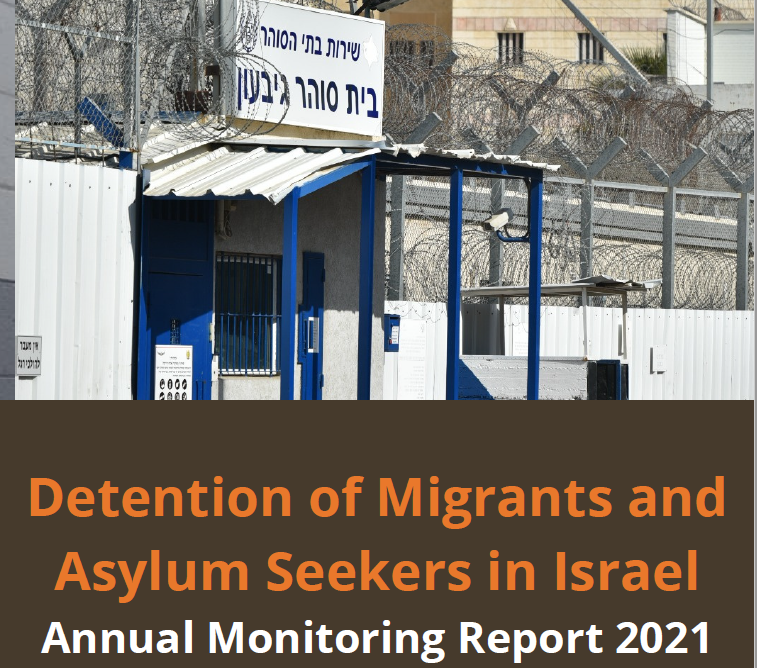
Asylum seekers in Israel face numerous challenges as they navigate a complex socio-political landscape. Many, like Tsigie, have fled war-torn countries, longing for safety and a fresh start but instead finding themselves in a state of uncertainty. Living in constant fear of deportation, these individuals often rely on community support, such as the Catholic migrants in the Rechovot community, for hope and camaraderie. The struggles they encounter highlight the pressing need for a more compassionate and organized approach to immigration policies in the country. For Ethiopian asylum seekers and others, life in Israel for migrants can be both a blessing and a burden, with resilient spirits shining through despite the odds stacked against them.
Individuals seeking refuge in Israel often grapple with a myriad of obstacles, from legal challenges to social integration. The plight of migrants, including those from Ethiopia and various African nations, emphasizes the dire circumstances that compel them to leave their homes in search of safety. Within Israeli society, communities such as the Catholic migrants and the vibrant group in Rechovot serve as essential support networks, fostering a sense of belonging and hope amid adversity. This intersection of culture and faith becomes a vital lifeline, offering solace to those facing the harsh realities of life as displaced persons. Ultimately, the narratives surrounding asylum seekers in Israel reveal a pressing need for understanding and reform in the treatment of migrant workers and refugees alike.
The Lives of Asylum Seekers in Israel
The plight of asylum seekers in Israel, especially those from Ethiopia, is a somber reality shrouded in fear and uncertainty. Tsigie, a mother of three, represents countless others who fled their war-torn countries for a chance at a better life. Despite her resilience and hope, the constant threat of deportation looms over her family. These asylum seekers live with the disheartening knowledge that their status in Israel is tenuous, contingent upon a maze of bureaucratic processes often riddled with errors and mixed messages.
Asylum seekers in Israel face harsh realities, from unstable housing to a precarious financial situation, exacerbated by restrictive work visa regulations. Many are forced into illegal employment or endure poor work conditions as they struggle to support their families. This daily battle for survival not only affects their physical well-being but also takes an emotional toll on their aspirations for a secure future. Community support, such as the services offered at the Rechovot community, becomes a lifeline, allowing these individuals to share their experiences, hope, and hardships.
Support Systems for Migrant Workers in Israel
Migrant workers in Israel often encounter a complex blend of challenges and support mechanisms. Organizations dedicated to helping these workers are crucial in facilitating their integration into Israeli society. Figures like Father Moses from Rechovot exemplify the compassionate outreach that provides not just spiritual guidance but also practical assistance, helping migrants navigate the intricacies of their residency problems and work-related issues. For many, the services rendered during the mass surrender a moment of catharsis, allowing individuals to connect with one another and foster a sense of belonging amidst overwhelming odds.
However, the road to solid support systems is fraught with obstacles. Economic pressures and a diverse population complicate the landscape for organizations aiding migrant workers. With over 60,000 Catholic migrants, as coordinated by Father Matthew, the need for support is ever-growing. Sister Gabriele works tirelessly to bridge the gap between these workers and essential resources, demonstrating that the love and care extended within the migrant community can help alleviate some of their burdens.
The Role of Faith in the Lives of Asylum Seekers
For many asylum seekers in Israel, faith serves as a critical anchor during tumultuous times. The weekly gatherings at the ‘cathedral of Rechovot’ become more than just religious services; they act as emotional sanctuaries where individuals can express their fears, hopes, and collective experiences. In an environment where societal acceptance can be elusive, church gatherings foster connections that help mitigate feelings of isolation. Through shared prayers and support, individuals strengthen their community bonds, establishing a network of solidarity against the backdrop of uncertainty.
During these services, the diversity within the congregation becomes apparent, highlighting a melting pot of cultures and backgrounds among migrant workers. Catholic migrants from East and West come together, and their shared faith transcends barriers, allowing for intercultural interactions that enrich their shared experience in Israel. Leaders such as Father Moses not only fulfill spiritual needs but also provide a platform for essential dialogue about their legal rights and challenges faced in their quest for stability.
Overcoming the Challenges of Migrant Life
The journey of migrant workers in Israel, particularly those from diverse backgrounds, is laden with challenges that sometimes feel insurmountable. Each day brings a new set of hurdles, be it financial uncertainty, paperwork issues, or social stigma. Families often find themselves torn between their hopes for a better future and the realities of everyday life that can lead to despair. The community in places like Rechovot, however, serves to inspire resilience through shared experiences and resource sharing, as they collectively navigate these unrelenting challenges.
Efforts from figures like Sister Gabriele, who coordinates aid and connecting pathways to agencies, have made significant impacts on individuals’ lives. Her unwavering dedication offers tangible hope to families grappling with obstacles like healthcare access and legal rights. By amplifying their stories and struggles, the broader society can become more aware of the issues migrant workers face, fostering a stronger commitment towards advocacy and systemic change needed for a more equitable environment.
The Interconnectedness of Communities in Israel
Israeli society is characterized by its multifaceted communities, each contributing unique cultural and social elements. Within this tapestry, immigrant groups, including Ethiopian asylum seekers and other migrant workers, showcase the diversity that enriches the nation. These communities often come together in shared spaces, such as at the Rechovot community gatherings, emphasizing the interconnectedness and interdependence of their experiences. Through celebrations of culture and faith, these gatherings build bridges among various groups, fostering a deeper understanding and acceptance within the broader Israeli society.
Moreover, the experience of Catholic migrants illustrates how collaboration can lead to productive dialogue and shared initiatives addressing mutual social issues. Such unity serves to highlight the importance of inclusion within the larger fabric of Israeli society, ultimately advocating for better treatment and acknowledgment of migrant workers and asylum seekers. By stressing solidarity and mutual support, the resolve of these communities to fight for their place creates ripples of change that extend beyond individual experiences to inspire broader societal acceptance.
The Economic Contributions of Asylum Seekers
Asylum seekers and migrant workers in Israel are not just victims of circumstance; they significantly contribute to the local economy and society. Many undertake roles in critical sectors such as agriculture, hospitality, and healthcare, performing jobs that are often shunned by local populations. These individuals provide essential services that maintain the operational backbone of various industries, emphasizing their economic value. Without their participation, many sectors would likely face labor shortages, which could have far-reaching effects on the economy.
Furthermore, the cultural contributions made by these communities enrich Israeli life, from culinary diversity introduced through migrant cuisine to vibrant celebrations of different cultural traditions. Initiatives that involve sharing these diverse heritages through festivals or events help combat stereotypes and promote a more unified national identity. Recognizing and celebrating the contributions of asylum seekers can lead to a more inclusive environment where everyone feels valued for their role in society.
Social Isolation of Migrant Workers and Asylum Seekers
Despite the rich contributions of migrant workers and asylum seekers, social isolation remains a significant challenge within Israeli society. Prejudices and stigmas can lead to discrimination which further isolates these communities, making it difficult to form connections beyond their immediate circles. The sense of being ‘the other’ often perpetuates feelings of loneliness and despair among asylum seekers. This isolation affects not only mental health but also limits access to networks that could help improve their legal and social standing.
To combat this, programs like those offered at the Rechovot community are vital. By creating inclusive spaces where diverse groups can come together, build friendships, and share their stories, these community efforts help to mitigate feelings of isolation. Engaging with local residents and fostering understanding through cultural exchanges can bridge gaps and encourage acceptance, demonstrating that all members of society, regardless of their status, are deserving of empathy and support.
Navigating Legal Challenges for Asylum Seekers
The legal landscape for asylum seekers in Israel is complex and often discouraging. With ongoing changes in immigration policy, many find themselves trapped in a cycle of uncertainty. Tsigie’s experience illustrates the bureaucratic challenges that delay the resolution of their status, adding a layer of stress to an already precarious existence. It highlights the need for ongoing legal support and advocacy to ensure that these individuals are not only aware of their rights but also empowered to navigate the legal system effectively.
Organizations and community leaders work tirelessly to provide legal assistance and guidance for asylum seekers in Israel. Father Matthew’s efforts, for instance, focus on ensuring that the rights of these migrants are protected and advocated for, despite the challenges they face. Engaging professional legal aid, often in conjunction with faith-based initiatives, brings hope to those feeling powerless against the bureaucratic machine, making a tangible difference in their journey toward stability.
A Hopeful Future for Migrants in Israel
Despite the multifaceted struggles faced by asylum seekers in Israel, there is a glimmer of hope as communities rally together to support one another. In Rechovot, the sense of belonging cultivated during gatherings inspires many to believe in a better future for their families. Through shared experiences and collective strength, these migrants work towards building a life that transcends the fears associated with their immigration status, fostering resilience that shines through in their daily lives and aspirations.
Furthermore, as awareness grows about the contributions and challenges faced by migrants, society is gradually moving towards a more inclusive viewpoint. Advocacy efforts aimed at reforming policies to protect the rights of migrant workers and provide pathways to citizenship reflect a growing recognition of their integral role in Israel. This shift signals a hopeful future where migrant workers and asylum seekers can thrive as respected members of society.
Frequently Asked Questions
What is the process for asylum seekers in Israel to obtain legal status?
Asylum seekers in Israel, including those from Ethiopia and other regions, must submit an application for asylum at the Population and Immigration Authority. However, the process can be lengthy and complex, often leading to uncertainty regarding their legal status and residence in the country.
How does life in Israel for migrants differ from that of local citizens?
Life in Israel for migrants can be challenging compared to local citizens. Asylum seekers often face restrictions on employment, healthcare, and housing. Many live in constant fear of deportation, with limited access to resources and support networks. Programs are available, such as those by Father Moses in Rechovot, to provide spiritual and practical assistance.
What challenges do Ethiopian asylum seekers face in Israel?
Ethiopian asylum seekers face numerous challenges in Israel, including language barriers, cultural differences, and fears of deportation. They often experience difficulties securing work and navigating the asylum application process while trying to provide for their families.
Are there support systems for Catholic migrants and asylum seekers in Israel?
Yes, there are support systems in place for Catholic migrants and asylum seekers in Israel. Community leaders, like Father Moses and Father Matthew, provide various forms of assistance, including social counseling, legal aid, and community gatherings, especially in areas like Rechovot.
What role does the Rechovot community play in supporting asylum seekers in Israel?
The Rechovot community acts as a vital support network for asylum seekers in Israel. It is a cultural and spiritual gathering point where migrants can connect, share experiences, and receive support through services led by religious figures like Father Moses, creating an environment of hope.
What are the living conditions like for migrants in Israel?
Migrants in Israel often live in cramped conditions, facing economic hardship and uncertainty regarding their future. Many families like Tsigie’s juggle tight budgets while navigating a bureaucracy that can be unforgiving, creating a harsh living environment.
What options are available for families of asylum seekers in Israel regarding education for their children?
Though asylum seekers in Israel face challenges, children of migrants, including those from Ethiopian backgrounds, are generally eligible to attend Israeli schools. Many children, such as Tsigie’s daughter, adapt and integrate, benefiting from educational opportunities despite their family’s uncertain status.
How do asylum seekers in Israel cope with the mental health impacts of living in uncertainty?
Asylum seekers in Israel cope with the mental health impacts by finding solace in community gatherings, religious services, and connecting with organizations that offer support and understanding. Spaces like the Rechovot tent provide emotional relief and a sense of belonging.
What is the significance of the Catholic faith for migrants in Israel?
The Catholic faith serves as a cornerstone for many migrants in Israel, including asylum seekers. It provides a sense of community and belonging, exemplified through gatherings led by figures like Father Moses, where individuals find hope, support, and a shared cultural identity.
| Key Points | Details |
|---|---|
| Background of Asylum Seekers | Many asylum seekers in Israel, especially Christians from Ethiopia, live in constant fear of deportation and uncertainty regarding their residency status. |
| Role of Father Moses | Father Moses offers support, guidance, and community for Catholic migrants, hosting services and providing assistance with residency documentation. |
| Community Building | Weekly services serve as a cultural meeting place, where migrants from different backgrounds gather, share meals, and strengthen bonds. |
| Challenges Faced | Many asylum seekers face legal challenges, with some living in fear of deportation due to work visa restrictions and family separation. |
| Political Complications | The situation is complicated by government policies, including military recruitment of asylum seekers, which raises ethical and legal concerns. |
Summary
Asylum seekers in Israel face significant challenges, including a precarious living situation marked by fear of deportation and lack of official residency status. The vivid narratives of individuals like Tsigie reflect the broader struggle for security and belonging among these communities. Through the efforts of supportive figures such as Father Moses and Sister Gabriele, asylum seekers find some respite and community, illustrating the human spirit’s resilience even in difficult circumstances.

