
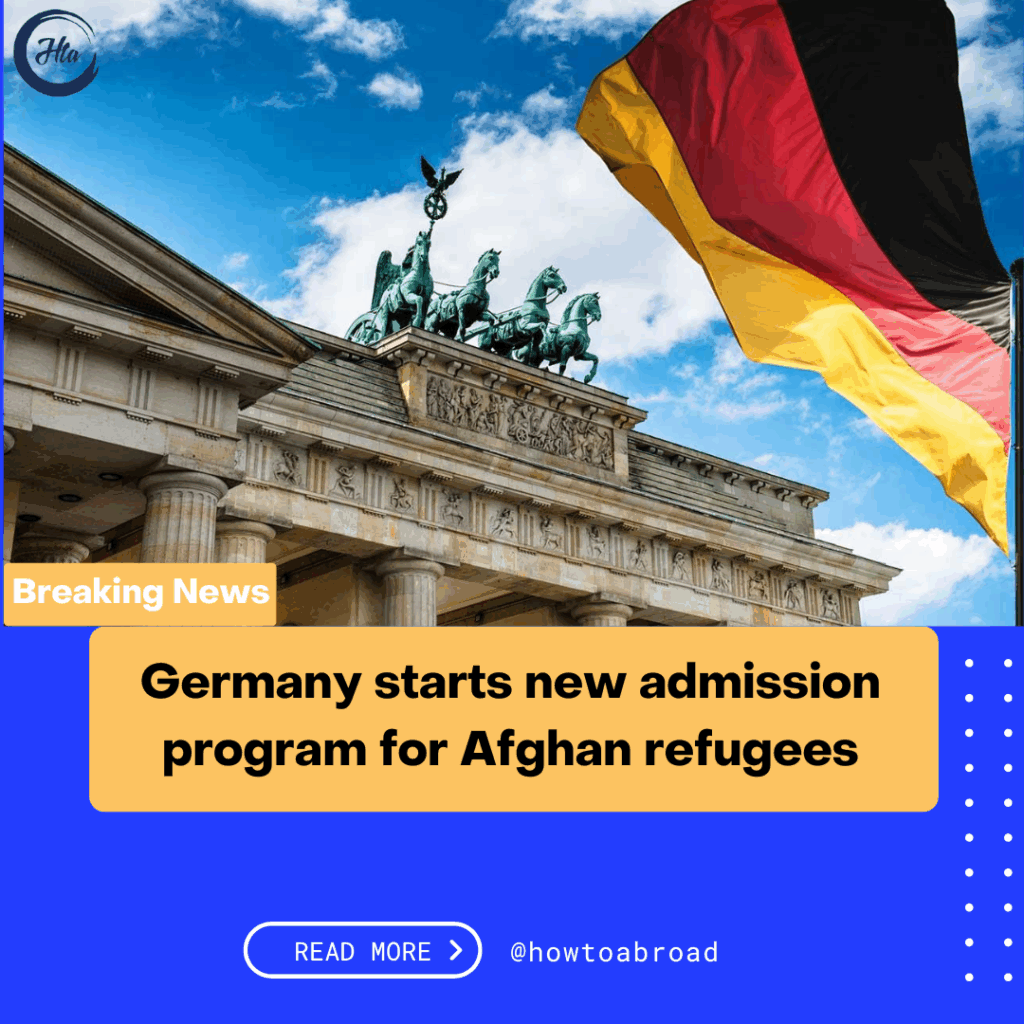
Germany Afghan Admissions are set to take center stage as the Interior Ministry prepares to welcome a significant number of Afghans fleeing persecution. With a commitment made by Interior Minister Alexander Dobrindt, the government aims to facilitate entry for Afghans who have legally binding commitments and positive security checks. As the humanitarian admission process unfolds, around 1,800 Afghan refugees in Germany are currently waiting in neighboring Pakistan, hoping for a timely resolution. Dobrindt emphasizes that efforts are in full swing to ensure these individuals can be received before the year’s end, aligning with the broader Germany immigration policy focused on resettling at-risk populations. Such initiatives reflect Germany’s dedication to addressing urgent humanitarian needs and supporting the Afghanistan resettlement program.
In light of the ongoing humanitarian crisis in Afghanistan, the pathway for Afghan nationals seeking refuge in Germany has garnered significant attention. The process known as Germany Afghan Admissions involves the federal government’s commitment to provide safe haven for those most at risk, including local collaborators, journalists, and human rights advocates. With strategic measures put forth by officials, particularly Interior Minister Dobrindt, the initiative aims to ensure a smooth resettlement for hundreds of Afghan refugees currently stranded in Pakistan. These developments are a part of Germany’s broader immigration strategy, which seeks to fulfill its obligations under humanitarian admission standards. As discussions intensify, stakeholders remain focused on maximizing entry possibilities while addressing criticisms regarding the management of available resources.
Germany’s Commitment to Afghan Refugees
Germany’s Interior Minister Alexander Dobrindt has announced a significant commitment to accept a large number of Afghan refugees in the near future. This decision aims to fulfill the country’s responsibility to those who have worked alongside German forces in Afghanistan and are now at risk of persecution. With an increasing number of Afghans, approximately 1,800, currently waiting in Pakistan, Germany is poised to implement its immigration policy with urgency, specifically targeting those with legally binding commitments and security clearances.
This move is part of Germany’s broader humanitarian admission policy, designed to protect vulnerable groups such as local staff members, journalists, and human rights activists. The commitment not only demonstrates Germany’s dedication to global responsibilities but also responds to international calls for support to Afghan refugees. As discussions surrounding the Afghanistan resettlement program continue, it is crucial for policymakers to ensure that the admissions process remains transparent and effective in providing safety to those in need.
Challenges in the Admission Process
Despite the positive developments in Germany’s approach to Afghan admissions, challenges persist. Interior Minister Dobrindt has expressed the likelihood of additional admissions extending beyond the end of the year, but this relies heavily on cooperation with Pakistan and the successful conclusion of current programs. Many Afghans remain in precarious situations, and delays in the admission process can jeopardize their safety and well-being, highlighting the urgent need for efficient immigration procedures.
Furthermore, the recent criticism from the Greens in the Bundestag raises serious questions about the government’s strategy. By offering financial incentives to some Afghans to abandon their claims for admission, there is a risk of undermining the core values of the humanitarian admission initiative. As Germany navigates its immigration policy, it must balance resource allocation while maintaining integrity and protection for Afghan refugees.
The Role of Alexander Dobrindt in Afghan Admissions
Alexander Dobrindt’s role as the Interior Minister is crucial in shaping Germany’s response to the Afghan refugee crisis. His commitment to increasing admission quotas underscores the government’s recognition of the dire needs faced by Afghans, particularly those with professional links to Germany. By actively addressing the situation in the Interior Committee, Dobrindt is influenced by the growing global pressure to provide refuge to Afghan allies and comrades caught in dangerous circumstances.
Moreover, Dobrindt’s interactions with the Bundestag and other political factions highlight the complexities of crafting a cohesive immigration policy. As the debate intensifies around asylum and refugee admissions, particularly in light of recent criticisms, it is imperative for Dobrindt to align his strategies with both humanitarian goals and domestic political accountability.
Understanding Germany’s Immigration Policy Framework
Germany’s immigration policy framework is pivotal in managing the ongoing challenges faced by Afghan refugees. As more individuals seek sanctuary, the need for a well-structured response becomes evident. The current policy aims to streamline the processes for admitting individuals from high-risk backgrounds, ensuring that those in need of protection are prioritized. The backdrop of the Afghanistan resettlement program serves as a roadmap for future initiatives that Germany may undertake.
Key components of this framework include ensuring thorough security checks while expediting the admission process. The recent discussions point towards a concerted effort to adapt the policies to meet the immediate needs of Afghan refugees, while also preparing for potential long-term settlement issues. As officials, including Dobrindt, engage in these conversations, the focus remains on sustaining a balance between humanitarian assistance and national security.
The Humanitarian Admission Initiative and Its Implications
The Humanitarian Admission Initiative marks a significant step in Germany’s response to the Afghan refugee situation. This initiative aims to provide shelter and protection to those facing imminent danger in Afghanistan, particularly former local staff members and activists. By facilitating expedited admission processes, the initiative recognizes the urgent necessity of asylum for vulnerable groups, thus reinforcing Germany’s commitment to international protection standards.
However, the implementation of this initiative is not without challenges. Critics argue that inconsistencies in policy application, particularly concerning financial incentives offered to abandon claims, could distort the perceived integrity of the humanitarian goals. Moving forward, it is vital for German policymakers to ensure that the humanitarian admission process remains focused on the safety and dignity of Afghan refugees, as well as aligns with Germany’s established immigration objectives.
Evaluating the Criticism Towards Admissions Policies
The criticism directed at Interior Minister Alexander Dobrindt and the government’s immigration policies reveals underlying tensions in public discourse around Afghan admissions. The contention arose particularly when some Afghans were offered financial compensation to forgo their admission claims. This controversial strategy has been deemed as undermining the essence of the humanitarian admission initiative, suggesting a misallocation of public funds that does not address the urgent needs of those waiting for asylum.
As debates unfold in the Bundestag, it becomes increasingly important to evaluate how these policies serve the best interests of Afghan refugees. By fostering an open dialogue about the realities faced by these individuals, German policymakers can work towards building a more effective and compassionate immigration policy that prioritizes protection rather than financial negotiation.
The Impact of Afghan Migration on German Society
The influx of Afghan refugees under Germany’s new admission policies is likely to have a profound impact on German society. As individuals seeking refuge integrate into German communities, these new members bring with them a wealth of skills, cultural diversity, and experiences that can contribute positively to the socio-economic fabric of the nation. Understanding and promoting this integration process is crucial for fostering a cohesive society that acknowledges the contributions of all its members.
Moreover, the successful integration of Afghan refugees can also enhance Germany’s international reputation as a welcoming nation that honors humanitarian commitments. By effectively addressing the needs of these refugees, Germany can position itself as a leader in global immigration discourse, which may have lasting implications for its immigration policy in the future.
Anticipating Future Afghan Admissions
As discussions around future Afghan admissions progress, it is essential to consider the broader implications of Germany’s immigration strategy. The government must anticipate and prepare for ongoing challenges related to the resettlement of Afghan refugees, particularly if political instability continues in Afghanistan. This foresight will ensure that Germany is adequately prepared to meet the needs of incoming refugees in the years to come.
Furthermore, establishing clear communication channels with Pakistani authorities and international NGOs can facilitate a smoother admission process. By collaborating and leveraging resources effectively, Germany can enhance its resettlement framework, providing safety and stability not just for the 1,800 Afghans currently awaiting admission but for future groups seeking asylum.
Navigating the Complex Landscape of Afghan Resettlement
Navigating the complexities of Afghan resettlement requires a multifaceted approach that incorporates comprehensive strategies addressing both immediate and long-term needs. Germany’s strong political will, represented by figures like Alexander Dobrindt, plays a pivotal role in executing these strategies effectively. Engaging with refugee communities, local governments, and civil organizations can create a framework that supports the integration of Afghan refugees.
This landscape is not just about providing immediate safety but also ensuring that Afghan refugees have access to education, employment, and social integration. Creating supportive environments will help rebuild lives and foster resilience among these communities, transforming the narrative around Afghan resettlement from one of mere survival to one of empowerment and opportunity.
Frequently Asked Questions
What is the current status of the Germany Afghan Admissions program?
Germany’s Interior Minister Alexander Dobrindt announced that the country will accept a significant number of Afghan refugees, focusing on those with a legal commitment and a positive security check. Currently, about 1,800 Afghans are awaiting admission, particularly from Pakistan, as Germany aims to facilitate their entry by the year’s end.
Who is eligible for humanitarian admission under Germany Afghan Admissions?
Under the Germany Afghan Admissions program, particularly at-risk groups are eligible, including former local staff, human rights activists, and journalists. These individuals are prioritized due to their heightened risks following the events in Afghanistan.
How does Germany’s immigration policy affect Afghan refugees?
Germany’s immigration policy currently emphasizes humanitarian admissions for Afghan refugees. The government has committed to accepting those identified as at-risk and has initiated measures to speed up their entry, aiming to bring 1,800 Afghans from Pakistan to safety.
What challenges are Afghan refugees facing in the Germany admission process?
Afghan refugees face several challenges including lengthy processing times and navigating the bureaucracy of visa applications. Current admissions largely depend on individuals being able to legally claim their visas while ensuring they have a positive security assessment.
Is there any criticism related to the Germany Afghan Admissions process?
Yes, there has been criticism from opposition parties, particularly the Greens, who claim that the federal government, under Dobrindt, is misusing public funds by offering monetary incentives to Afghans in exchange for not pursuing admission, thereby undermining humanitarian efforts.
What are the implications of the Afghanistan resettlement program in Germany?
The Afghanistan resettlement program in Germany aims to provide safe haven for at-risk individuals fleeing Afghanistan. It reflects Germany’s commitment to humanitarian principles, although its effectiveness has been questioned amidst criticisms of resource allocation and policy execution.
When can Afghan refugees expect to be admitted into Germany?
Afghan refugees currently in Pakistan under the Germany Afghan Admissions program can expect to be admitted by the end of the year, as stated by Interior Minister Alexander Dobrindt. However, further admissions may occur into the following year, depending on the situation.
| Key Point | Details |
|---|---|
| Germany’s Commitment | Germany will accept a large portion of Afghans with a legally binding commitment to be received. |
| Current Admissions Status | At least 1,800 Afghans are waiting for admission in Pakistan, with priority given to at-risk groups. |
| Legal and Security Considerations | Only Afghans who pass a positive security check can be admitted to Germany. |
| Response from the Government | Interior Minister Dobrindt emphasized increased efforts for timely admissions by year-end. |
| Criticism of the Admission Process | The Greens criticized the federal government for offering financial incentives to some Afghans to forgo entry. |
| Future Admissions | There could be additional admissions after the year-end deadline, depending on the situation. |
Summary
Germany Afghan Admissions are set to facilitate the entry of a considerable number of Afghans facing risks due to their affiliation with humanitarian efforts. The Interior Ministry’s announcement illustrates a commitment to assist vulnerable populations, ensuring that those with a secure legal basis can find refuge in Germany. Despite the ongoing controversies and criticisms regarding the methods used for admissions, the government continues to work towards fulfilling its commitment and addressing the urgent needs of Afghan individuals waiting for asylum.

