
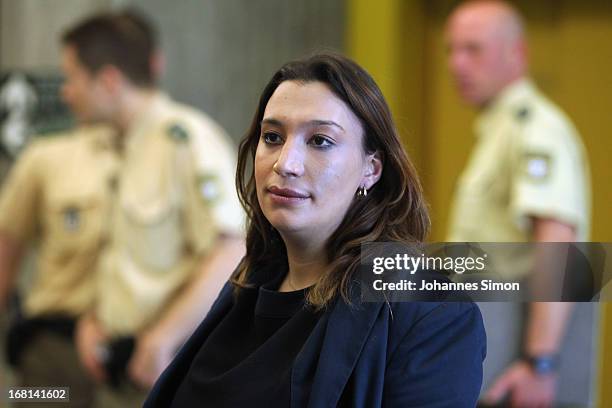
Serkan Yildirim, the first NSU victim, became a haunting symbol of the tragic consequences of the NSU attacks that terrorized German migrants for years. Surviving a devastating pipe bomb explosion in his Nuremberg restaurant at just 18 years old, Serkan now finds himself at 45 grappling with the psychological consequences of that fateful day. His ordeal exemplifies the ongoing struggle for recognition and support faced by victims of hate crimes in Germany. Over the years, as the NSU trial unfolded, many, including Serkan, have had to confront not only their trauma but also the realities of systemic neglect. As he reflects on his experience, the urgent need for dialogue about coexistence between Germans and migrants in the contemporary landscape becomes painfully clear, stirring questions about justice and healing within society.
The harrowing tale of Serkan Yildirim, an early casualty of the NSU’s violent campaign, sheds light on the psychological scars left by the attacks against minorities in Germany. This story directs attention to the broader implications of xenophobia and the societal tensions that have persisted since the early 2000s. As survivors like Yildirim continue to advocate for acknowledgment and support, their struggles reveal deeper issues surrounding the treatment of migrant communities in contemporary Germany. Alternative narratives often overlook the personal toll taken by such violent acts, leaving many victims unheard and marginalized. In the face of the ongoing NSU trial and the complicated legacy it leaves, the importance of fostering understanding and unity among diverse populations cannot be overstated.
Remembering the First NSU Victim: Serkan Yildirim’s Story
Serkan Yildirim, as the first NSU victim, experienced a life-altering event when a pipe bomb detonated in his Nuremberg restaurant back in 1999. At only 18 years old, this attack not only threatened his life but also thrust him into a complex narrative that involved suspicion and denial of his victimhood for years. Despite the serious nature of the crime, local authorities treated his case with negligence, concluding investigations prematurely. It wasn’t until years later that his experience was recognized as part of a broader series of NSU attacks, highlighting the tragic social and racial dynamics at play within German society at the time and even today. Yildirim’s story is crucial in understanding the lasting impact of xenophobia and hate crimes on individuals from migrant backgrounds in Germany, a situation that continues to evolve today.
The psychological consequences of the attack have followed Yildirim into adulthood. Even decades later, he reveals the ongoing struggles with mental health that stem from the incident, including pervasive anxiety and isolation. His statements reflect a broader sentiment among survivors of hate crimes, who often find themselves contending with societal prejudice and a lack of empathy from law enforcement. This disconnect can be seen in the failure to classify his attack accurately and the dismissive treatment he received post-event. The fallout from the NSU attacks has been a painful reminder that for many, recognition as a victim does not come without a battle, further complicating the path toward healing and understanding.
The Continuing Legal Struggle for NSU Victims
Serkan Yildirim’s account of his experience as the first NSU victim sheds light on the extensive legal struggles faced by individuals caught in the crosshairs of hate crimes. His request to be recognized as an ancillary plaintiff in ongoing trials tied to NSU supporters has been met with rejection, illustrating the persistent obstacles victims confront in seeking justice. Yildirim highlights the troubling reality: many suspects linked to the NSU were not prosecuted effectively due to their manipulation of the legal system. Each setback in the courtroom exacerbates the feeling of being disregarded by authorities, and these barriers only deepen the trauma already entrenched in their lives.
In the context of the NSU trial, Yildirim’s frustration reflects broader issues regarding the treatment of migrants and victims of racially motivated crimes. The legal system’s reluctance to acknowledge the vast network of individuals complicit in NSU activities raises questions about accountability and the seriousness with which these crimes are acknowledged. Yildirim’s critique of the judicial system emphasizes the need for thorough investigations and fair treatment for victims, particularly in cases involving xenophobia and racism. He seeks clarity not only for his situation but for all victims affected by the NSU’s reign of terror, reinforcing the demand for justice that has rippled through the German society.
Psychological Impact of the NSU Attacks on Survivors
The psychological impact of the NSU attacks, as illustrated by Yildirim’s experience, extends far beyond the immediate physical harm caused by violent events. Survivors often grapple with intense feelings of anxiety, trauma, and mistrust that can isolate them from society. In Yildirim’s case, the aftermath of the bombing transformed him into a reclusive individual, retreating from social interactions due to the panic attacks triggered by the incident. This speaks volumes about the psychological burden that hate crimes impose, particularly on those from marginalized communities. It showcases how deeply fear can root itself in the psyche, altering one’s day-to-day life and interactions with others.
Additionally, the societal stigma surrounding victims of such attacks can further exacerbate their mental health struggles. Yildirim reflects on the unwarranted suspicion he faced from law enforcement, suggesting that the system not only failed to protect him but also subjected him to further distress. The experience of being wrongly accused or doubted can lead to profound feelings of helplessness and anger, making the journey toward recovery all the more challenging. This ongoing saga reveals an essential narrative about the treatment of migrants in Germany, creating a dialogue about how society responds to victims and the imperative for understanding and support.
Changes in Migrant Integration Since the NSU Attacks
Since the inception of the NSU attacks, discussions surrounding the integration of German migrants have gained considerable attention. However, Yildirim’s observation points toward a disheartening reality: despite numerous promises from political leaders for better integration, many migrants still experience a duality in treatment, facing suspicion and discrimination that hinders their ability to fully participate in society. His feelings resonate with countless migrants who feel as though their loyalty and contributions are overshadowed by their ethnic identities, raising concerns about the adequacy of integration policies in light of the historical context of the NSU.
Yildirim’s narrative serves as a powerful reminder that the journey towards cohesive coexistence within Germany requires continual dialogue and reform. Instead of superficial integration tactics, the need for effective societal engagement is paramount. He emphasizes the need for open conversations about experiences and feelings, advocating for more authentic engagement between citizens and migrants. This holistic approach is essential not only for healing the wounds inflicted by the NSU but also to foster an inclusive environment where diversity is celebrated rather than feared.
Reflecting on the NSU Trial: Justice or Injustice?
As the NSU trial unfolds with various actors involved, including Susann Eminger, Serkan Yildirim’s reflections provide critical insight into the notion of justice. For many survivors and relatives of victims, the process has been anything but satisfying. The dismissed complaints and minimal accountability for those purportedly involved perpetuate a narrative of injustice that contradicts the legal system’s promise of efficacy and fairness. Yildirim’s statement underscores a growing sentiment that the judicial process remains tainted by systemic flaws, which often benefit those entrenched in harmful ideologies, while victims continue to suffer and endure.
Contrasting perspectives on the trial also reveal the complexities surrounding public perception of justice in cases like this. Yildirim articulates a desire for truth and accountability, emphasizing that trials should serve not just as legal formalities but as platforms for genuine acknowledgment of the pain inflicted on the victims and their families. This reflects a broader societal demand: the need for a justice system that takes into account the lived realities of those affected by hate crimes and provides thorough investigations that arm victims with recognition and respect rather than ambiguity and neglect.
Societal Perceptions of Migrants After NSU
Serkan Yildirim’s experiences shed light on the evolving perceptions of migrants in Germany post-NSU. This national trauma has had lingering effects on how migrants are perceived, often with increased suspicion and bias. Yildirim articulates the frustrations he experiences from public officials, noting that despite his command of the German language and his longstanding residence in the country, he faces condescending attitudes that signal underlying prejudices. This consistent sense of ‘otherness’ can alienate migrants further, complicating their integration and everyday interactions.
Moreover, the rise of xenophobic sentiments and political factions that capitalize on fear and division points to an urgent need for recognition of the contributions migrants make to society. Yildirim’s insights highlight the necessity for societal change, advocating for greater empathy and unified efforts to dismantle stereotypes. By fostering an environment characterized by understanding and mutual respect, it becomes possible to improve coexistence between the native population and migrants, ultimately working towards a more inclusive German identity.
The Role of Political Leadership in Addressing Hate Crimes
Political leadership plays a crucial role in shaping public policy and societal attitudes towards migrants and victims of hate crimes like those targeted by the NSU. Yildirim’s skepticism towards current political figures, particularly as he references past leaders and their unfulfilled promises, reflects a wider discontent among migrant communities. The perception that government responses have been inadequate in confronting racism and xenophobia is prevalent, leading to feelings of disenfranchisement among victims and their families. It raises essential questions about political accountability and the genuine commitment to addressing the needs of marginalized groups.
To combat hate crimes effectively, it’s imperative for political leaders to prioritize transparent dialogues with affected communities, fortify legal mechanisms, and foster initiatives designed to promote unity rather than division. Public sentiment must shift towards a recognition that hate crime prevention is not solely a legal issue but a societal challenge requiring comprehensive strategies that build empathy and respect. The case of Yildirim highlights the urgency for leaders to act decisively in creating an environment where nuanced, inclusive narratives replace harmful stereotypes, ideally guiding Germany toward a future free of discrimination.
The Future Outlook for Migrants in Germany Post-NSU
Looking forward, the future of migrants in Germany remains intricate and challenging in the wake of the NSU attacks. Serkan Yildirim’s reflections on the systemic problems faced by migrants underscore the need for comprehensive reform. There is a fear that as political landscapes shift, particularly with the rise of right-wing parties, migrants may face increasing hostility. Yildirim’s experiences and critiques remind society that the momentum for change cannot falter under political pressure; instead, it must catalyze action to foster tolerance and equality.
Ultimately, the evolution of migrant integration will depend largely on the continuous dialog that promotes understanding, solidarity, and awareness. Advocates for migrant rights must strive to ensure that the lessons learned from the NSU era are not forgotten, pushing for policies that not only address immediate grievances but also lay the foundation for long-term harmony. As Germany strives to reconcile its history, Yildirim’s courage and voice exemplify the resilience required to unify communities, highlighting that the fight against hate and inequality is far from over.
Frequently Asked Questions
Who is Serkan Yildirim and what is his connection to the NSU Victim incidents?
Serkan Yildirim is recognized as the first NSU victim, having survived a pipe bomb attack in his restaurant in Nuremberg in 1999. He was only 18 years old at the time and has since struggled with the psychological consequences of the attack, which was eventually linked to the National Socialist Underground (NSU) group, notorious for a series of racially motivated murders.
What were the psychological consequences faced by Serkan Yildirim after the NSU attack?
Following the NSU attack, Serkan Yildirim experienced significant psychological trauma, including panic attacks and social withdrawal. He described how the event altered his life, forcing him into isolation and resulting in ongoing mental health challenges that overshadow his daily existence.
How did Serkan Yildirim’s experience as a survivor of the NSU attacks shape his views on the treatment of German migrants?
Serkan Yildirim believes that migrants in Germany, including him, are often treated unfairly and with suspicion. His experiences have made him aware of the systemic issues and prejudices faced by migrants, which has led him to advocate for better understanding and communication between Germans and the migrant community.
What role does Serkan Yildirim see for the state in addressing the aftermath of the NSU attacks?
Yildirim feels disappointed with the state’s response to the NSU crimes, believing that insufficient action has been taken to resolve the cases and provide justice for victims. He stresses the need for comprehensive investigations and clarity for families affected by the NSU’s actions.
What ongoing struggles does Serkan Yildirim face as an NSU victim?
As an NSU victim, Serkan Yildirim continues to grapple with the mental and emotional scars left by the attack. He also fights for recognition of his status as a victim and the accountability of those connected to the NSU crimes, which he feels have often been overlooked or mishandled by authorities.
How does Serkan Yildirim feel about the portrayal of migrants in the media and society following the NSU attacks?
Serkan Yildirim believes that the media and societal narratives often paint migrants in a negative light, failing to recognize their contributions and humanity. He underscores the importance of promoting understanding and dialogue to combat stereotypes and discrimination.
What key questions does Serkan Yildirim have about the motives behind the NSU attacks?
Yildirim seeks to understand why he and other NSU victims were targeted, expressing a need for insight into the roots of hatred against foreigners that led to such violent acts. He emphasizes the need for clarity regarding the backgrounds and motivations of the perpetrators.
Why was Serkan Yildirim initially not recognized as a victim of the NSU attacks?
Initially, Serkan Yildirim was not recognized as an NSU victim because the authorities misclassified his case and erroneously viewed him with suspicion rather than as a victim, casting doubt on his experiences and delaying acknowledgment of the attack’s severity.
How does Serkan Yildirim view the current trials related to the NSU case, such as that of Susann Eminger?
Yildirim is frustrated with the current trials related to the NSU case, feeling that important questions about accountability and justice remain unanswered. He has expressed disappointment over his exclusion as an ancillary plaintiff in the case against Susann Eminger, suggesting that there may be deeper connections to the attack.
What message does Serkan Yildirim hope to convey regarding coexistence between Germans and migrants?
Serkan Yildirim advocates for more open communication and understanding between Germans and migrants. He believes that discussing experiences and listening to marginalized voices can foster better coexistence and challenge the biases that still exist in society.
| Key Points | |
|---|---|
| Serkan Yildirim is the first identified NSU victim, surviving a bomb attack in 1999 when he was 18. | He has struggled with psychological and physical consequences since the attack, which severely impacted his life. |
| For years, he wasn’t recognized as a victim and was even treated as a suspect. | His requests for recognition in ongoing trials have been frequently rejected, leaving him feeling sidelined. |
| Yildirim emphasizes that many questions remain unanswered about the motivations behind the attack and broader anti-migrant sentiments. | He criticizes the lack of accountability in law enforcement handling of his case and the subsequent NSU murders. |
| Yildirim expresses disappointment with governmental inaction regarding migrant treatment and NSU victim support. | He advocates for better understanding and communication between migrants and Germans to combat discrimination. |
Summary
NSU Victims like Serkan Yildirim face ongoing struggles long after their traumatic experiences. Despite surviving a terrorist attack at age 18, Yildirim articulates the lingering psychological effects and societal challenges he continues to grapple with. His story highlights the essential need for clarity, justice, and compassion towards victims as well as a broader understanding of the issues faced by migrants in society. Through engagement and dialogue, the community can better address the wrongs of the past and foster a more inclusive future.

