
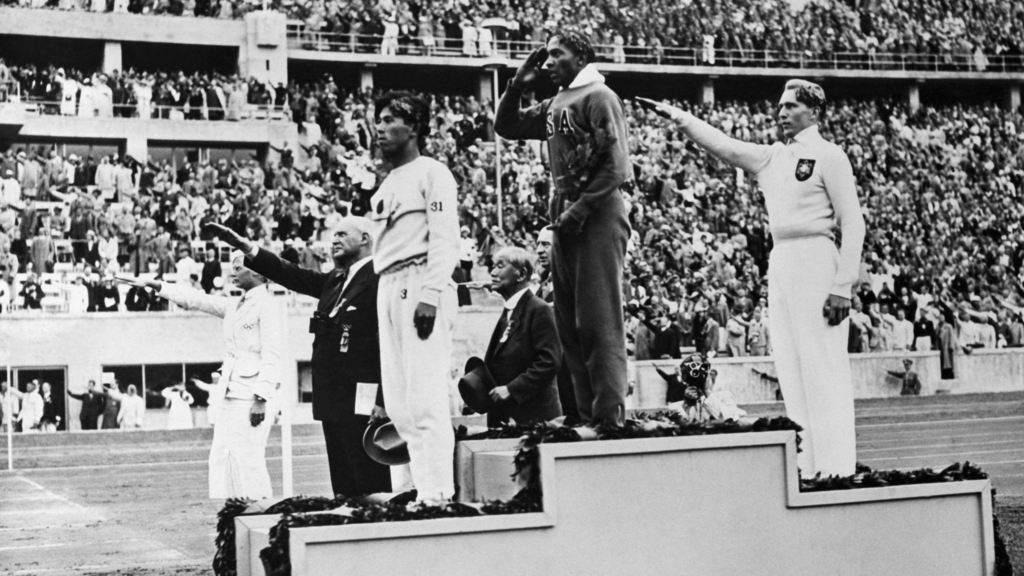
The opposition to the Berlin Olympics is gaining momentum among local residents, with a recent survey revealing that two-thirds of Berlin citizens are against hosting the Olympic Games in their city. This stark contrast with Munich, where 66 percent have shown enthusiasm for bringing the Summer Games back, highlights a growing divide in public sentiment. According to a Civey survey published by “Tagesspiegel,” a significant 67 percent of Berliners oppose a bid for the 2036, 2040, or 2044 Olympics, while only 27 percent support the government’s plans, leaving a small fraction still undecided. The rising dissent could escalate the debate surrounding the Olympic initiative advocated by the black-red state government, especially with the NOlympia citizens initiative gaining traction. As the city grapples with these sentiments, the implications for its international reputation and potential Olympic bid continue to unfold.
The controversy surrounding the prospect of bringing the Olympic Games to Berlin poses serious considerations for the city’s future. With a substantial percentage of local residents expressing their disapproval, initiatives like NOlympia are mobilizing to galvanize further opposition against the Olympic vision. This public pushback reflects a distinct shift in priorities among Berlin’s populace compared to emerging support in other German cities like Munich and Hamburg. As debates unfold, the implications for sports governance and city planning are significant, especially with the German Olympic Sports Confederation (DOSB) poised to make crucial decisions in the upcoming months. The forthcoming citizen votes aim to capture the true sentiment of the populace, setting the stage for either a hopeful Olympic future or a strong rejection of the Olympic initiative.
Survey Reveals Opposition to Olympic Games in Berlin
A recent Civey survey reveals a significant level of discontent among Berlin citizens regarding the Olympic Games. According to the data commissioned by “Tagesspiegel”, a striking 67 percent of respondents expressed opposition to Berlin’s bid for the Olympic Summer Games, whether it be for 2036, 2040, or 2044. Only a mere 27 percent showed support for the plans outlined by the Senate, with the remaining six percent remaining undecided. This sentiment starkly contrasts the overwhelming backing seen in Munich, where 66 percent of residents favor the Olympics, highlighting the distinct perspectives of these two major German cities.
The backlash against the Olympic Games in Berlin indicates a deeper narrative; one where the benefits of hosting such a grand event are questioned. Residents are likely concerned about the financial implications, potential displacement, and the long-term impact on the city’s infrastructure. This growing opposition could spark a significant debate among policymakers and stakeholders, especially amid looming plans by the German Olympic Sports Confederation (DOSB) to select a candidate city by autumn 2026.
NOlympia: The Citizens Initiative Against Berlin’s Olympic Bid
In response to the prevailing opposition, the citizens’ initiative known as “NOlympia” is mobilizing a grassroots movement against Berlin’s attempt to host the Olympic Games. Scheduled to launch on January 1, 2026, this initiative aims to gather the necessary support to put a referendum on the ballot by 2027. The timing of this initiative is crucial, as it positions itself strategically around the decision timeline of the DOSB, where potential candidates for the Games will be evaluated.
The formation of NOlympia signals a noteworthy push among Berlin citizens to take an active role in shaping their city’s future. This initiative comes amidst a backdrop in which many residents express a lack of faith in the economic promises typically associated with hosting the Olympics. The proposal contrasts sharply with the sentiments in other cities like Munich and Hamburg, underscoring a divergent view of the potential benefits of hosting such an international event.
Berlin’s timeline for a possible referendum stands as a testament to the committed opposition against the Olympics, which, if successful, could redefine the city’s landscape. With potential events such as public consultations and rallies planned ahead of the referendum, the NOlympia initiative is eager to rally support amongst the local populace.
Comparative Support: Munich vs. Berlin
Comparing public sentiments on the Olympic Games in Berlin and Munich reveals stark differences, highlighting regional disparities in support and enthusiasm. In Munich, a recent citizen referendum indicated that 66 percent of residents favor hosting another Olympic event, signaling a robust acceptance of such large-scale initiatives. This favorable sentiment in Munich starkly contrasts with the two-thirds of Berliners who oppose the Games, showing a pronounced divergence in public opinion between these two cities.
This discrepancy can be attributed to various factors, including the unique historical and cultural contexts of each city. While Munich has historically embraced international sporting events, Berlin’s citizens seem more cautious, wary of the potentially disruptive nature of the Games. The contrast in attitudes might also reflect differing economic expectations, as evidenced by the pronounced support for Olympic games among Munich citizens who may see them as an opportunity for growth, compared to the apprehension felt in Berlin.
Upcoming Referendums and Their Significance
As Berlin prepares for a potential referendum in 2027, the stakes become increasingly high. The speed of governmental decisions regarding Olympic candidacy will likely impact how citizens engage in the democratic process surrounding the Games. With a growing movement against the Olympics through NOlympia, Berliners face a pivotal moment to express their opinions on such massive initiatives.
Regions like Hamburg and North Rhine-Westphalia are also in the process of organizing their own votes, reflecting a broader national discourse about the suitability of hosting the Olympic Games in Germany. The outcomes of these various referendums will ultimately shape the German Olympic Sports Confederation’s (DOSB) decision-making process, and could lead to significant implications for the landscape of sports and international events in the country.
Implications of the Berlin Olympics Opposition
The rising opposition to hosting the Olympic Games in Berlin carries implications that extend beyond the city’s immediate concerns. With 67 percent of residents opposing the bid, there are real discussions to be had about governance, community engagement, and the future identity of Berlin. If the citizens’ sentiments are consistently ignored, it might lead to social unrest and dissatisfaction with local leadership, emphasizing the crucial role of public opinion in shaping urban development.
Additionally, the shadow of opposition could influence future cities vying for Olympic candidacy in Germany. Both the Munich Olympic support and the response from other cities may create a complicated landscape for the DOSB, requiring a delicate balance between pursuing Olympic glory and respecting citizen sentiment. The case of Berlin could serve as a significant lesson in ensuring that public consultation is prioritized at every step of the Olympic bidding process.
The Role of Citizens in Olympic Decisions
The opposition from Berlin citizens serves as a reminder of the importance of public voice in the context of significant sporting events like the Olympics. With initiatives like NOlympia gaining traction, it becomes evident that citizens increasingly wish to engage in decisions relating to their city’s future. Such civic participation is essential, especially in a democratic society where projects of large scale often demand both public support and funding.
As we witness a growing awareness and activism around urban planning and community rights, the Berlin citizens survey highlights a critical point: when local voices are included in decision-making processes, the outcomes become more aligned with community needs and values. This signals a shift in how future Olympic bids might be approached, focusing on genuine stakeholder engagement and acknowledgment of public sentiment.
Comparative Analysis of Olympic Projects
A comparative analysis of Olympic projects across German cities illustrates various ways in which public sentiment can shape the future of significant sporting events. While Munich enjoys a favorable view towards hosting the Games again, Berlin’s opposition raises important questions about the viability of large-scale projects without comprehensive community support. Learning from Munich’s experience can provide valuable insights for Berlin as it grapples with the question of whether or not to pursue the Olympic bid.
Moreover, the contrast between proposed Olympic initiatives in North Rhine-Westphalia, Hamburg, and Berlin offers a tapestry of local priorities, economic hopes, and civic engagement. Each city’s approach reveals unique layers of governance and public opinion, underlining the importance of stakeholders in deciding the fates of such monumental events.
The Importance of Public Engagement in Olympic Bids
Public engagement remains a crucial element in the success of Olympic bids, as reflected in Berlin’s current situation. The overwhelming opposition among citizens complicates the government’s aspirations for an Olympic future, indicating that without comprehensive dialogue and transparency, proposals may face significant hurdles. The role of citizen initiatives like NOlympia exemplifies how communities can challenge prevailing narratives and seek out alternative visions for their cities.
Moreover, successful Olympic bids require not just sufficient vote counts, but also sustained public enthusiasm and support. In light of Berlin’s resistance to Olympic plans, other cities should take heed of public sentiment as they prepare their own bids. Ultimately, incorporating feedback and facilitating civic dialogues may not only ease potential conflicts but also foster a more united community around large-scale projects.
The Future of Olympics in Berlin: A Community Perspective
Looking into the future, the prospect of hosting the Olympic Games in Berlin appears to be a contentious issue filled with community concerns. If current opposition from two-thirds of Berliners persists, it may force policymakers to reconsider their approach to urban development and large international events. The contrast to Munich’s affirmative supports further underscores the necessity for politicians to heed local voices.
Undoubtedly, as Berliners express their views through initiatives like NOlympia, there’s an opportunity for deeper discussions about the city’s identity, priorities, and future direction. The outcome of this opposition could lead to new forms of community engagement, prioritizing grassroots perspectives in urban planning. How the city negotiates these sentiments will ultimately shape its landscape well beyond Olympic discussions, ensuring the voice of Berliners is central to defining its future.
Frequently Asked Questions
What do Berlin citizens think about hosting the Olympic Games Berlin in 2036?
A recent survey indicates that approximately 67 percent of Berliners oppose a bid for the Olympic Games in Berlin, whether it be for 2036, 2040, or 2044. This strong opposition could impact the city’s prospects in the German Olympic Sports Confederation’s (DOSB) selection process.
What is the NOlympia citizens initiative and how does it relate to the Berlin Olympics opposition?
The NOlympia citizens initiative is a grassroots movement aimed at opposing Berlin’s bid to host the Olympic Games. Set to launch on January 1, 2026, this initiative reflects the sentiments of many Berlin citizens who are against hosting the Olympics, highlighting concerns about the potential consequences of such a bid.
How does the support for the Munich Olympic bid contrast with Berlin’s Olympics opposition?
While two-thirds of Berliners oppose hosting the Olympic Games, a contrasting sentiment is seen in Munich, where 66 percent of residents have expressed support for another Olympic bid. This divergence underscores the varying attitudes towards the Olympic Games within Germany.
What are the potential consequences of Berlin’s opposition to the Olympic Games?
The significant opposition from Berlin citizens may lead to intensified debates surrounding the state government’s Olympic initiative. Additionally, if Berlin were to be awarded the Games without public support, the city could face backlash, especially with the possibility of a citizens’ referendum coming in 2027.
When will the German Olympic Sports Confederation announce the candidate city for the Olympic Games?
The German Olympic Sports Confederation (DOSB) is expected to make a decision on the candidate city for the Olympic Games in autumn 2026. The outcome could heavily influence the future of Berlin’s bid amidst strong local opposition.
What cities besides Berlin are competing for the Olympic Games bid?
Alongside Berlin, cities such as North Rhine-Westphalia, Munich, and Hamburg are also positioning themselves as candidates for hosting the Olympic and Paralympic Summer Games. The competition could further complicate Berlin’s efforts given its current public opinion landscape.
What timeframe does Berlin have to counteract its citizens’ opposition to the Olympic Games?
Berlin faces a tight timeframe as the NOlympia initiative aims to mobilize public sentiment before a potential referendum in 2027. This urgency is compounded by the DOSB’s decision regarding candidate cities, which will occur in autumn 2026.
| Key Points |
|---|
| Two-thirds of Berliners oppose the Olympic Games in their city according to a survey. |
| In contrast, 66 percent of Munich residents support hosting another Summer Games. |
| The Civey survey found that 67% of Berlin respondents reject a bid for the Summer Games in 2036, 2040, or 2044. |
| Only 27% of Berliners support the Senate’s plan, with 6% undecided. |
| The “NOlympia” alliance is initiating a citizens’ movement against the bid starting January 1, 2026. |
| A potential referendum in Berlin could take place by 2027, post DOSB’s decision in autumn 2026. |
| Other German candidates include North Rhine-Westphalia, Munich, and Hamburg, with varying public support. |
Summary
The Berlin Olympics opposition is significant, with a clear majority of Berliners expressing their disapproval for the Olympic Games proposed for their city. As 67% of respondents oppose a potential bid for the events in the coming decades, this movement is likely to gain traction, especially with the upcoming citizens’ initiative by ‘NOlympia’ set to mobilize public sentiment against the bid. This stark contrast with Munich’s favorable outlook on hosting the Olympics underscores the division in public opinion within Germany, presenting challenges for the capital’s aspirations to host such a prestigious event.

