
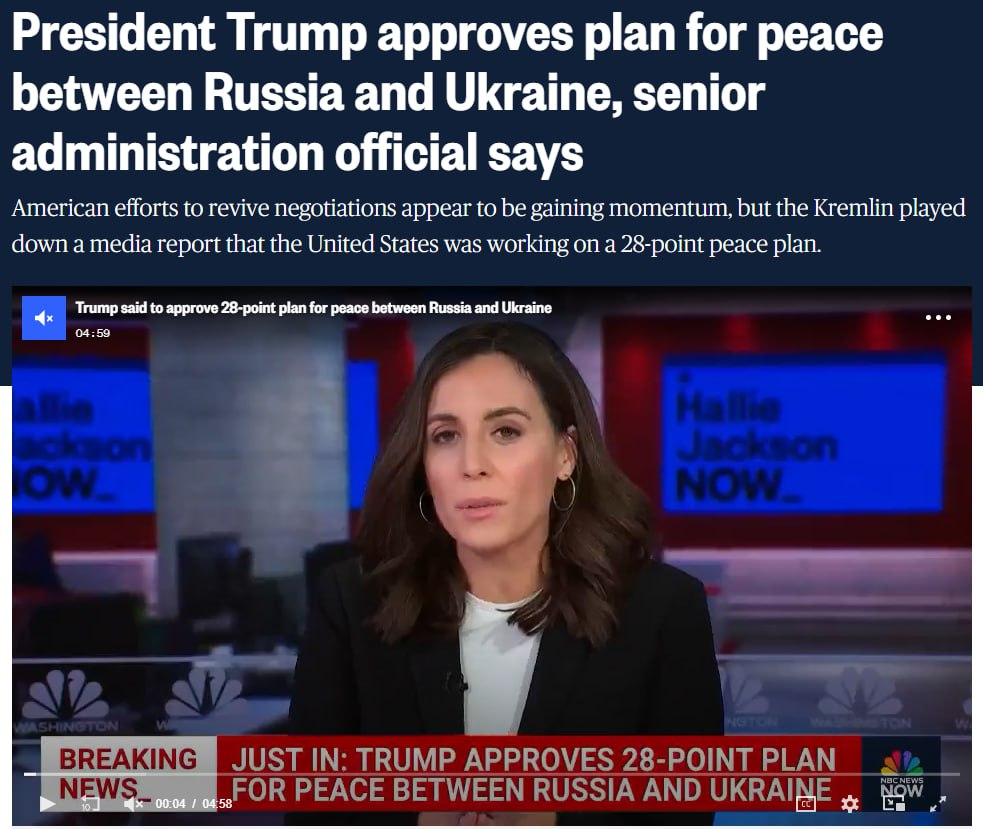
The 28-Point Peace Plan for Ukraine has stirred considerable debate, garnering both attention and criticism on the international stage. This proposed framework, aimed at ending hostilities, calls for Ukraine to make significant concessions, including the downsizing of its military and relinquishing its aspirations for NATO membership. These stipulations raise critical questions about US-Russia relations and the geopolitical landscape in Eastern Europe. Many observers are alarmed that such a plan could set a troubling precedent, undermining European security and emboldening aggressor states like Russia. As the world watches closely, the ramifications of this peace plan could shape the future of not only Ukraine but also the broader stability of international relations in the region.
Introducing the controversial 28-Point Framework for Peace in Ukraine has ignited a firestorm of reactions, highlighting deep-seated concerns about global security dynamics. This proposal, perceived by some as a troubling capitulation to Russian demands, suggests substantial compromises from Ukraine that critics argue could weaken its sovereignty. The ongoing discussions around this accord reflect broader themes in international diplomacy, particularly in the context of transatlantic relations and military alliances. As the debate unfolds, the implications of such proposals resonate far beyond Ukraine, raising alarms within NATO and among European nations. Observers are keenly aware that the stakes in these negotiations could redefine not just Ukraine’s future, but also the balance of power in Europe.
Understanding the 28-Point Peace Plan for Ukraine
The 28-Point Peace Plan for Ukraine has surfaced as a controversial diplomatic initiative aiming to bring an end to the ongoing conflict between Ukraine and Russia. Despite its intentions, the plan has faced harsh criticism across the political spectrum, particularly from those who view it as a capitulation to Russian demands. Critics argue that concessions such as ceding territory and abandoning NATO membership undermine Ukraine’s sovereignty and security. As the international community weighs in, understanding the intricacies and implications of this peace plan becomes paramount for both diplomatic stakeholders and the citizens of Ukraine.
Furthermore, the peace plan is intertwined with broader discussions about US-Russia relations and European security concerns. The implications of the proposed terms could set a dangerous precedent for future negotiations in the region, prompting fears that similar strategies could be applied to other conflict zones. Observers highlight that the very notion of a dictated peace resembles historical failures where concessions have led to further aggression. Thus, the future of Ukraine hinges not only on the acceptance or rejection of the plan but also on how other nations perceive their obligation to counterbalance Russian expansionism.
Impact of US-Russia Relations on European Security
The evolving dynamics of US-Russia relations have significant repercussions for European security, especially regarding the ongoing conflict in Ukraine. With the 28-Point Peace Plan at the forefront, the question arises: can the United States strike a balance between engaging with Russia and maintaining European allies’ trust? Critics such as prominent politicians in Germany fear that the plan signifies a shift toward appeasing Russia, potentially jeopardizing the integrity of NATO and the broader European security framework. As Europe grapples with the realities of what a dictated peace could look like, discussions around NATO expansion and collective defense strategies come into sharp focus.
Moreover, European leaders are increasingly concerned about becoming passive players in negotiations dictated by the United States or Russia. The anxiety surrounding this ‘peace plan’ is accentuated by statements from leaders who emphasize that any agreement should not come at the expense of Ukraine’s sovereignty or national interests. Instead, the emphasis should remain on maintaining a unified response to Russian aggression while strengthening NATO’s deterrent capabilities. The intersection of these diplomatic negotiations showcases the delicate balance required to preserve European security against the backdrop of shifting US leadership dynamics.
Criticism of the 28-Point Plan Across Political Lines
The 28-Point Peace Plan has prompted an unprecedented and unified backlash from various political factions, both in the United States and Europe. U.S. Vice President J.D. Vance criticized the plan as a dangerous misinterpretation of what peace entails, invoking sentiments across party lines that question the viability of a dictated peace. Influential German politicians have characterized the plan as detrimental to NATO and a reward to Russian aggression, solidifying the perspective that this peace proposal undermines the very foundations of European security. This collective dissent illustrates heightened concerns over ceding control in negotiations that could shape the future of Ukraine.
The bipartisan disapproval signals a broader anxiety regarding the implications of the peace plan for democratic values and national autonomy. Commentary from both political aisles emphasizes that the proposal could lead to a precedent of appeasement, reminiscent of historical agreements that destabilized Europe. The urgency to reaffirm Europe’s stance against any perceived betrayal resonates with political messages urging stronger unity within NATO. Such dialogues underscore that negotiations with Russia require careful consideration and reaffirmation of commitments to ally nations, fundamentally challenging the efficacy and morality of the 28-Point Peace Plan.
The Role of Public Sentiment in the Ukraine Peace Plan
Public sentiment holds significant sway over the acceptance of the 28-Point Peace Plan for Ukraine, as citizens and advocacy groups express concerns about its ramifications. Protests and public outcry in various European nations reflect a profound fear that compromises could lead to instability not just for Ukraine, but for the entire continent. Media coverage of these events highlights how grassroots movements have mobilized to challenge the legitimacy of the proposed demands, reflecting a commitment to uphold Ukraine’s territorial integrity and sovereignty. The voices of the people are increasingly being recognized as pivotal in shaping the political dialogue surrounding U.S.-Russian negotiations.
As the plan garners mixed reviews, the involvement of civil society and public discourse cannot be overlooked. Citizens are demanding greater transparency in how decisions regarding peace talks are made, emphasizing that any agreement should align with the principles of democracy and human rights. This public pressure has potential consequences that could affect political leaders’ strategies towards the peace process. Ultimately, fostering a dialogue that includes the perspectives of those directly impacted by the conflict in Ukraine is essential for any meaningful resolution and sustainable peace.
European Leaders Respond to the 28-Point Peace Plan
European leaders have been navigating the politically charged atmosphere surrounding the 28-Point Peace Plan with caution. As Russia continues to assert its influence, many leaders express their discontent with what they view as coercive strategies employed by the U.S. regarding EU policy. Concerns around the plan revolve not only around its immediate implications for Ukraine but also its long-term influence on European security architecture. Calling it a potential capitulation, many European politicians emphasize the need for a unified stance that reinforces Ukraine’s rights and defends against authoritarian maneuvers.
Additionally, given the complex relationships within the EU, leaders are pushing for collaborative diplomatic strategies that transcend mere transactional dealings with Russia. There is a palpable sense of frustration that current discussions may undermine NATO’s purpose and cohesion. The notion that European nations could fall into a state of political bankruptcy by conceding to Russian demands poses a challenge for those advocating for a robust defense posture within the EU. As discussions continue, the resolution of this peace plan will significantly test the unity and resolve of European leadership in the face of external pressures.
Historical Comparisons: The 28-Point Plan and Past Peace Negotiations
Drawing historical comparisons to past peace negotiations provides valuable context in evaluating the 28-Point Peace Plan for Ukraine. Critics have evoked memories of the Munich Agreement of 1938, where appeasement led to further aggression and suffering. Such parallels raise alarm bells regarding the perceived simplicity of ‘resolving’ the ongoing conflict through compromises that favor aggressors. This historical lens highlights the necessity of scrutinizing diplomatic overtures carefully, particularly those that sideline legitimate concerns of nations threatened by imperialistic ambitions.
Furthermore, analyzing these historical precedents urges contemporary leaders to remain vigilant against proposals that could spiral into long-term geopolitical instability. Compromises made in the past often resulted in bolstered adversaries and unraveling security arrangements, which serve as cautionary tales today. The call for a ‘victory plan’ aligns with the sentiment that the international community must prioritize collective security and principled responses to aggression, especially in favor of democratic nations like Ukraine. Learning from history may empower current discourse to challenge the assumptions underlying proposals like the 28-Point Peace Plan and safeguard future stability.
European Security and the Future of NATO Membership for Ukraine
The future of NATO membership for Ukraine has become a pivotal issue amid discussions surrounding the 28-Point Peace Plan. As Ukraine seeks to solidify its position against Russian aggression, the prospect of NATO membership remains a crucial element in bolstering European security. Supporters argue that Ukraine’s entry into NATO would provide an essential counterbalance to Russian threats and reaffirm the alliance’s commitment to collective defense. However, the proposed peace plan raises complex questions about compliance with NATO’s principles, potentially leaving Ukraine in limbo concerning its aspirations for membership.
European security dynamics hinge on the outcomes of these complex negotiations. The reluctance from some NATO members to extend direct security guarantees to Ukraine could signal a fracturing resolve within the alliance, undermining efforts to curb Russian expansionism. As debates unfold about the adequacy of the peace plan, European unity in addressing security concerns takes center stage. Ultimately, the future of Ukraine’s NATO membership could redefine the strategic landscape of Europe as nations confront the ramifications of Russia’s ongoing aggression.
The Implications of Trump’s Pressure on Ukraine
Former President Donald Trump’s pressure on Ukraine to accept the 28-Point Peace Plan has sparked intense debate regarding U.S. foreign policy aspirations. Critics argue that Trump’s influence compromises Ukraine’s autonomy and reiterate fears that his approach aligns with Russian interests rather than promoting genuine peace. This pressure, positioning Ukraine as a pawn in geopolitical maneuvering, has raised alarms among European allies who view the outcome of these negotiations as impactful on long-term stability in the region. The broader implications of such demands pose risks to Ukraine’s sovereignty and challenge the integrity of NATO.
Moreover, the perception of Trump’s dealings reinforces distrust and discontent among the populace in Ukraine as well as European allies who fear that the United States may overlook the needs and rights of their partner nations. Calls for re-evaluating U.S. leverage in the negotiations emphasize the need to build coalitions that safeguard Ukraine’s interests, rather than dictating terms that could be detrimental to its future. If left unchallenged, this pressure could further fragment the unity often sought through international agreements and alliances.
Assessing the Global Response to the Ukraine Peace Proposal
Global reactions to the proposed 28-Point Peace Plan for Ukraine have reflected a spectrum of concerns regarding its potential ramifications. Nations worldwide are watching closely as the outcomes of U.S.-Russian negotiations may influence not only the situation in Ukraine but broader international relations. Ensuring Ukraine’s continued sovereignty and territorial integrity remains a pivotal concern for both political leaders and citizen activists across Europe, igniting passionate discussions about the responsibilities of global powers in maintaining order and peace. Criticism from both U.S. and European leaders emphasizes the need for a principled approach to international peace efforts.
The international community’s engagement, particularly in Europe, highlights the urgent call to action in supporting Ukraine’s right to self-determination consistently. The risk of unchecked aggression means that diplomacy must align with a firm stance against coercion, ensuring that any agreements do not compromise fundamental principles of democracy and territorial integrity. As debates continue, the global response emphasizes that peace efforts must emerge from mutual respect and cooperation rather than capitulation to demands that serve the interests of aggressor states.
Frequently Asked Questions
What is the 28-Point Peace Plan for Ukraine proposed by the US?
The 28-Point Peace Plan for Ukraine is a proposal aimed at resolving the ongoing conflict between Ukraine and Russia. It suggests that Ukraine downsizes its military, cedes certain eastern territories to Russia, and abandons its NATO membership ambitions. In exchange, Ukraine would maintain its sovereignty and be allowed to pursue European Union membership.
How do critics view the 28-Point Peace Plan for Ukraine?
Critics of the 28-Point Peace Plan for Ukraine describe it as a ‘dictated peace’ that undermines Ukraine’s sovereignty and could jeopardize European security. Prominent voices across political lines warn that it essentially capitulates to Russian demands and could destabilize NATO relations, leading to broader geopolitical risks.
What are the concerns regarding NATO membership for Ukraine in the 28-Point Peace Plan?
The 28-Point Peace Plan for Ukraine proposes that Ukraine abandons its goal of NATO membership. Many critics argue that this could leave Ukraine vulnerable to ongoing aggression from Russia, which destabilizes not just Ukraine but also raises significant security concerns for other NATO members in Europe.
What is Donald Trump’s position on the 28-Point Peace Plan for Ukraine?
Donald Trump has been a vocal supporter of the 28-Point Peace Plan for Ukraine, indicating that Ukraine should agree to terms that align closely with Russian demands. He suggests that this would end the ongoing conflict; critics, however, argue that it reflects a troubling alignment with Russian interests.
How does the European perspective align with the 28-Point Peace Plan for Ukraine?
In Europe, the 28-Point Peace Plan for Ukraine has drawn severe backlash, with many leaders asserting that it threatens the integrity of NATO and European security. European politicians emphasize that any peace agreement should not be dictated by Russia and must prioritize the sovereignty and security of Ukraine.
What are the potential implications of the 28-Point Peace Plan on US-Russia relations?
The 28-Point Peace Plan for Ukraine could significantly alter US-Russia relations by suggesting a realignment towards appeasement of Russian demands. Critics argue that it sends a message of weakness, potentially encouraging further Russian aggression and impacting NATO’s collective security posture.
Is the 28-Point Peace Plan for Ukraine considered a viable solution for ending the conflict?
The viability of the 28-Point Peace Plan for Ukraine as a solution to the conflict is heavily debated. Many analysts believe it compromises Ukraine’s essential sovereignty and security, while others argue that pragmatic diplomatic solutions must be explored to achieve lasting peace.
What is the historical significance of the criticisms against the 28-Point Peace Plan for Ukraine?
Critics have drawn historical parallels between the 28-Point Peace Plan for Ukraine and the Munich Agreement of 1938, suggesting that forcing Ukraine to concede territory and military capability risks repeating past mistakes in European diplomacy, potentially leading to greater geopolitical instability.
What role should Europe play in the negotiations based on the 28-Point Peace Plan for Ukraine?
European nations are urged to take a leading role in negotiations over the 28-Point Peace Plan for Ukraine, ensuring that Ukrainian sovereignty is respected and that the plan does not serve as a means to reward Russian aggression. This involves collaborative diplomatic efforts among EU member states and other allies.
How does the 28-Point Peace Plan for Ukraine affect European security concerns?
The 28-Point Peace Plan for Ukraine raises significant European security concerns, as critics warn that it could undermine collective defenses against potential Russian expansionism. A peace plan that appears to succumb to dictation from Russia may embolden further aggression, impacting security across the continent.
| Key Point | Details |
|---|---|
| Widespread Criticism | The peace plan has faced intense backlash from various political figures, stating it favors Russia’s demands and threatens NATO. |
| Threat of Dictated Peace | Politicians like Marie-Agnes Strack-Zimmermann and Michael Roth have criticized the plan as a ‘dictated peace’ that could destabilize European security. |
| Historical Comparisons | Publicists draw parallels to the Munich Agreement of 1938, suggesting the plan undermines Ukraine’s sovereignty. |
| Political Pressure | Donald Trump has pressured Ukraine to accept the plan, while accusing other European leaders of sabotaging peace efforts. |
| European Security Concerns | European leaders express that peace negotiations must not result in concessions that undermine their own security. |
| Need for European Unity | There is an urgent call for Europe to come together against perceived capitulation to Russian demands. |
Summary
The 28-Point Peace Plan for Ukraine has ignited heated debates and criticisms from political figures across various levels. Many believe it could lead to a dictated peace that compromises Ukraine’s sovereignty and security, echoing historical precedents of appeasement. It poses significant concerns not just for Ukraine, but for the broader stability of Europe, prompting urgent calls for unity and a pro-active response against any agreements that could facilitate further Russian expansion.

