
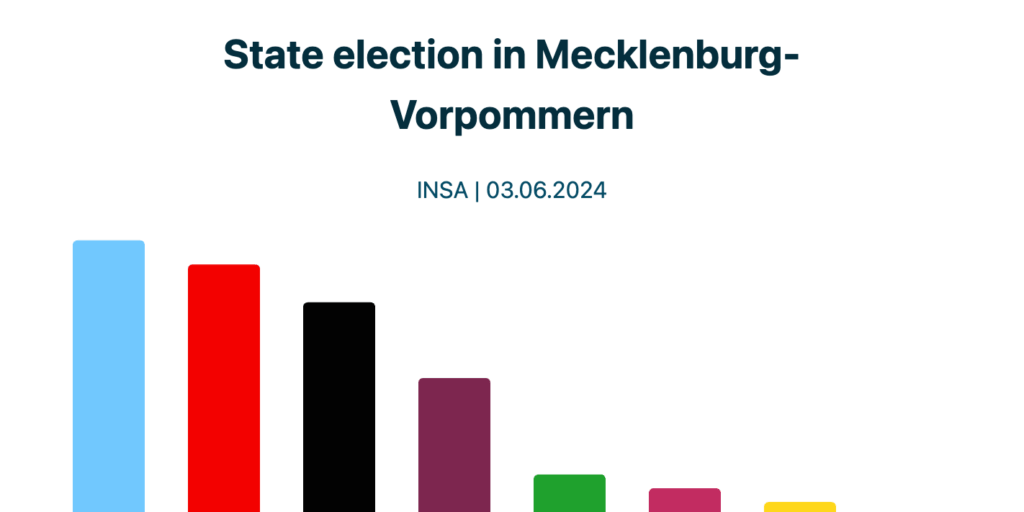
Mecklenburg-Western Pomerania elections are set to take center stage as the AfD party has made a significant move by nominating Leif-Erik Holm as their candidate for Minister President in the upcoming state election in 2026. This selection comes at a time when the party is experiencing a remarkable surge in popularity, with recent polls indicating support as high as 38%. Holm’s assertion, “We want the sole government in Mecklenburg-Western Pomerania,” reflects the ambitious goals of the AfD to dominate the political landscape of the region. With the current ruling party, the SPD, reportedly facing a downturn with only 19% support, the election landscape appears ripe for change. As the AfD intensifies its focus on consolidating power, the implications of these elections could reshape the governance of Mecklenburg-Western Pomerania and challenge the entrenched political parties in Germany.
As the political climate heats up in this northern German state, the upcoming elections in Mecklenburg-Western Pomerania are garnering significant attention. The recent nomination of Leif-Erik Holm, an influential figure within the Alternative for Germany (AfD), as the party’s lead candidate for the office of Minister President signals a pivotal moment for the region. With aspirations to create a singular governing body, the AfD aims to capitalize on its escalating support in the polls as it prepares for the critical state election in 2026. Faced with a waning popularity of the current ruling coalition, the dynamics among political contenders are shifting rapidly. This electoral showdown promises to influence the broader narrative regarding the strength and direction of political factions in Germany.
The Rise of Leif-Erik Holm in Mecklenburg-Western Pomerania Elections
Leif-Erik Holm’s nomination as the AfD’s candidate for Minister President marks a pivotal moment in the landscape of Mecklenburg-Western Pomerania elections. With increasing support from the public, Holm’s candidacy is poised to reshape the political dynamics in the region. His economic background provides him with a distinct advantage as he positions the AfD as a viable alternative to the traditional political parties in Germany. The unanimous decision by 250 delegates at the state party congress highlights the strong support he commands within the party and underscores the seriousness of their ambitions for the 2026 state election.
Holm’s message of pursuing a ‘sole government’ reflects the AfD’s strategy to consolidate power and influence within Mecklenburg-Western Pomerania. This assertive approach resonates with voters who are disenchanted with the current governing coalition, primarily the SPD led by Manuela Schwesig. The political climate is increasingly favorable for the AfD as they adapt their strategies based on recent polling, which shows a significant increase in their support compared to the 2021 elections. With these developments, Holm is likely to become a key figure in shaping the future governance of the region.
Impact of Poll Results on AfD’s Strategy for the State Election 2026
Recent polling results signal a transformative period for the AfD in Mecklenburg-Western Pomerania, with suggestions that they could secure nearly 38% of the vote in the upcoming elections. This increase represents more than a twofold rise from the previous election, compelling the party to reassess and refine its campaign strategies. As these favorable numbers galvanize party members, it becomes critical for Holm and his team to leverage this momentum leading up to the state election in 2026. The AfD’s success may hinge upon their ability to address the concerns of voters effectively and offer clear solutions to the issues faced by the electorate.
Moreover, the party’s confidence is bolstered by recent electoral trends in neighboring Saxony-Anhalt, where the AfD has shown significant strength, securing approximately 40% of the polling numbers. This overlap presents an opportunity for cross-regional campaigning, allowing Holm to draw parallels and emphasize the AfD’s growing influence across multiple states. With the 2026 elections approaching, the focus on voter outreach and inflection points—such as economic concerns, public broadcasting, and state governance—becomes paramount to their electoral strategy.
AfD’s Vision for Governance in Mecklenburg-Western Pomerania
Leif-Erik Holm’s declaration during his nomination encapsulates the AfD’s vision of governance: a commitment to establishing what they refer to as a ‘sole government’ in Mecklenburg-Western Pomerania. This vision signifies an intent to not only lead but to dominate the political landscape, offering voters a stark choice against the ruling coalition. Holm’s promise to terminate the broadcasting treaty as one of his first official actions as Minister President reflects the party’s foundational ideologies aimed at reforming institutions they view as outdated or misaligned with public interest.
This approach raises important questions regarding the future of political discourse in the region and how the AfD intends to execute these changes if they secure office. Holm’s background as an economist and former radio presenter lends him a unique perspective on both economic and media influence, which he aims to critically analyze in the context of governance. The expectation is clear: Holm wants to transform not just the administrative structure but also how the government engages with its citizens through media and transparency.
Analyzing the Political Landscape: AfD vs. Traditional Parties
The ongoing elections in Mecklenburg-Western Pomerania serve as a battleground between the emerging AfD and the traditional political parties of Germany, such as the SPD and CDU. With their recent polling successes, the AfD is now positioned as a serious contender that can challenge the status quo and possibly alter the governance dynamics within the region. Holm’s leadership is central to this contest, particularly as he aims to resonate with voters who feel underrepresented by the existing political establishment.
The diminishing support for the SPD, as illustrated by their fall to 19% in recent polls, indicates a potential shift in voter sentiment, pointing to a broader discontent with current governmental policies. This drop paves the way for the AfD to assert more daring policies and rhetoric that differentiates them from more traditional approaches to governance. As the elections approach, every political maneuver will be crucial in solidifying the AfD’s image as a legitimate alternative.
Public Sentiment and Its Influence on the 2026 Elections
Public sentiment plays an essential role in shaping the political landscape, especially as the state elections in Mecklenburg-Western Pomerania draw near. The AfD’s success in tapping into feelings of dissatisfaction with the current government suggests that they are effectively aligning their message with the concerns of the electorate. Leif-Erik Holm’s focus on transparency, mismanagement critiques, and economic reform is strategically targeting undecided voters, highlighting the importance of public perception in political campaigning.
Moreover, the AfD’s ability to resonate with specific voter demographics, particularly those who prioritize economic stability and governance efficiency, is becoming increasingly evident as they craft their electoral narrative. The party’s rise in polling reflects an understanding of the constituents’ needs and desires, suggesting that the upcoming elections could usher in a significant ideological shift in local governance. As public sentiment continues to evolve, it remains to be seen how other parties will adapt their strategies to counter the AfD’s growing influence.
Challenges Facing the AfD in Achieving Election Success
Despite the positive polling figures for the AfD in Mecklenburg-Western Pomerania, challenges remain as they prepare for the 2026 elections. Internal party cohesion, the need to refine their messaging, and overcoming negative perceptions tied to extremism are constant hurdles that the AfD must navigate. Leif-Erik Holm, as the head of the campaign, will have to ensure that the party not only projects a compelling vision for governance but also counters any narratives that seek to undermine their credibility.
Furthermore, as political parties in Germany increasingly collaborate across ideologies to maintain power, the AfD faces the risk of being isolated or sidelined in coalition discussions following the election. To mitigate this, the party will need to present a united front and articulate clear policies that resonate broadly without alienating potential supporters. As they approach election day, how the AfD addresses these challenges will be crucial to their success and potentially impact the future political climate in Mecklenburg-Western Pomerania.
Media Relations: The AfD’s Approach to Public Broadcasting
Leif-Erik Holm’s criticism of public broadcasting as part of his electoral platform highlights a contentious issue in the current political discourse in Mecklenburg-Western Pomerania. His pledge to terminate the broadcasting treaty showcases a commitment to change that resonates with voters who feel burdened by public spending on media they perceive as unbalanced. This stance not only signifies a break from traditional views but also appeals to a populist sentiment that the AfD has successfully harnessed in their messaging.
In the context of the upcoming elections, how the AfD navigates media relations will be critical. Holm’s background as a former radio presenter could aid him in shaping a narrative that is both compelling and attentive to public concerns about media representation. As public trust in traditional media fluctuates, the AfD’s strategy to engage with voters through alternative channels may prove advantageous in solidifying their support ahead of the state election in 2026.
Looking Ahead: The Future of Politics in Mecklenburg-Western Pomerania
The implications of the 2026 state elections in Mecklenburg-Western Pomerania extend beyond the immediate outcomes for the AfD and other political parties. They represent a significant junction in the evolution of German politics, as rising parties like the AfD challenge long-standing structures and call for reforms. Leif-Erik Holm’s candidacy embodies this shift and poses questions about future political alliances, voter loyalty, and party ideology in Germany.
As the election approaches, observers and voters alike will be keenly focused on how the political narratives unfold. The dynamics between the AfD and the traditional parties will shape not only local governance but also set precedents for national political trends in the coming years. The outcome of these elections will ultimately reveal the electorate’s readiness for change and the AfD’s potential role in redefining the political landscape in Mecklenburg-Western Pomerania.
Frequently Asked Questions
Who is Leif-Erik Holm in relation to the Mecklenburg-Western Pomerania elections?
Leif-Erik Holm is the AfD candidate nominated for Minister President in the upcoming Mecklenburg-Western Pomerania elections, specifically for the state election in 2026. He aims to lead the party toward establishing a sole government in the state.
What are the key goals of the AfD in the Mecklenburg-Western Pomerania elections?
The primary goal of the AfD in the Mecklenburg-Western Pomerania elections is to achieve a sole government, as stated by their candidate Leif-Erik Holm. They are aiming to capitalize on their increasing popularity, which reportedly stands at 38 percent in recent polls.
How do recent polls affect the AfD’s strategy in the Mecklenburg-Western Pomerania state election?
Recent polling results indicate that the AfD’s support in Mecklenburg-Western Pomerania has surged to 38 percent, significantly impacting their strategy for the 2026 state election. Leif-Erik Holm has highlighted these positive trends to encourage voter support and pursue the goal of sole governance.
What impact could the Saxony-Anhalt state election have on Mecklenburg-Western Pomerania elections?
Leif-Erik Holm believes that the state election in Saxony-Anhalt, occurring two weeks before the Mecklenburg-Western Pomerania elections, could boost the AfD’s campaign. Polls in Saxony-Anhalt indicate a support level of 40 percent, potentially influencing voter sentiments in neighboring Mecklenburg-Western Pomerania.
What is the significance of the political landscape in Mecklenburg-Western Pomerania ahead of the 2026 elections?
The political landscape in Mecklenburg-Western Pomerania is shifting as the AfD logs significant gains in polls, particularly with Leif-Erik Holm as their Minister President candidate. The declining support for the ruling SPD, now at 19 percent, signifies a potential major shift in governance for the upcoming state elections.
How does Leif-Erik Holm’s candidacy influence the dynamics of political parties in Germany?
Leif-Erik Holm’s candidacy for Minister President in the Mecklenburg-Western Pomerania elections reflects a growing influence of the AfD among political parties in Germany. His nomination signifies a potential challenge to traditional parties like the SPD, particularly in a climate where public sentiment appears to be shifting.
What actions does Leif-Erik Holm plan to take if elected in the Mecklenburg-Western Pomerania elections?
If elected as Minister President in the Mecklenburg-Western Pomerania elections, Leif-Erik Holm has announced plans to terminate the broadcasting treaty, which aligns with his critique of public broadcasting. This proposal highlights his commitment to redefining the state government’s priorities.
| Key Point | Details |
|---|---|
| Candidate Nomination | Leif-Erik Holm nominated as Minister President candidate by AfD. |
| Unanimous Vote | Nominated by 250 delegates at the party congress in Demmin. |
| Party Goals | Holm states the party aims for sole governance in Mecklenburg-Western Pomerania. |
| Current Polls | AfD polls at 38%, compared to 19% for ruling SPD. |
| Influence of Other Elections | Expectations of successful outcomes from earlier elections in Saxony-Anhalt. |
| Broadcasting Critique | Holm plans to terminate the broadcasting treaty, criticizing public broadcasting. |
Summary
The upcoming Mecklenburg-Western Pomerania elections are set to showcase a significant shift in the political landscape with Leif-Erik Holm nominated as the top candidate by the AfD. His unanimous appointment highlights the party’s ambitions, aiming to secure sole governance amid impressive polling figures. With the AfD’s popularity surging, outpacing the ruling SPD, the 2026 elections promise to be a pivotal moment for the region, particularly following earlier elections that may influence voter sentiment.

