
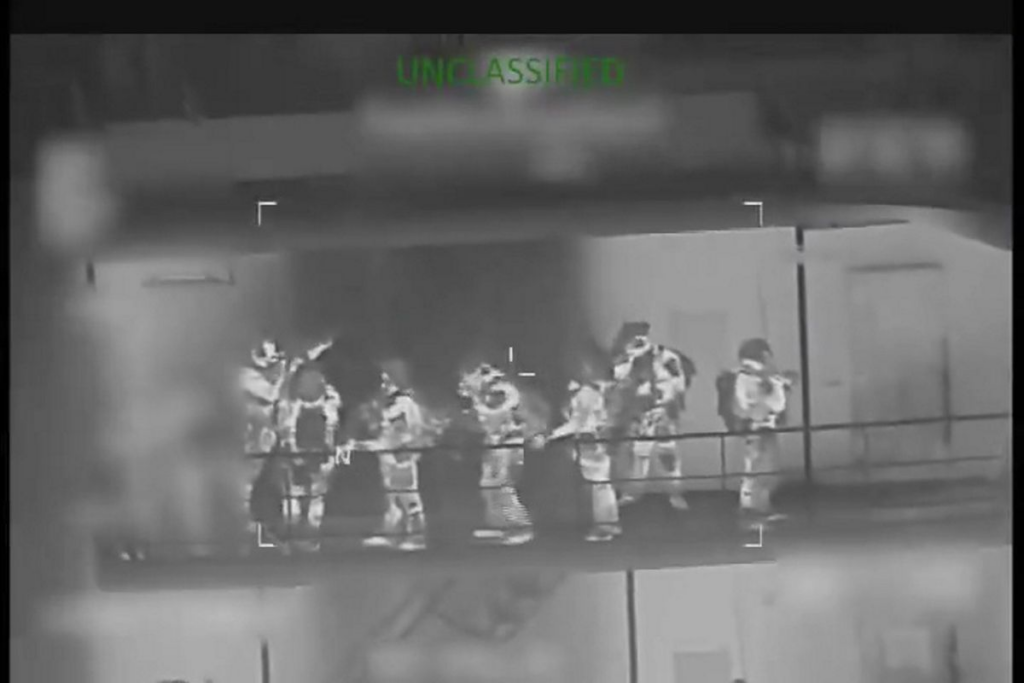
The recent US military oil tanker seizure marks a significant escalation in the ongoing enforcement of the US oil blockade against Venezuela. On January 21, 2026, the US Southern Command announced the interception of the “Sagitta” tanker, which was linked to the Venezuelan oil industry, bringing the total number of seized vessels in the Caribbean to seven. This bold move underscores America’s commitment to curbing the flow of illegally sanctioned oil, protecting both national and regional interests. With tensions running high, the US has asserted its unwavering stance against the regime of Nicolás Maduro, who faces multiple charges including drug offenses. As geopolitical dynamics shift, the implications of this oil tanker seizure reverberate throughout the Caribbean, highlighting the complexities of international maritime law and sanctions enforcement.
In a continued effort to combat illegal oil trade, the recent capture of the Sagitta tanker by US forces showcases a rigorous enforcement of maritime regulations in the Caribbean. The operation is part of a broader strategy to address the Venezuelan oil blockade, which seeks to restrict the flow of oil from Venezuela, a nation under heavy sanctions. The US military’s decisive actions in seizing vessels not only underscore the importance of adherence to international law but also reflect ongoing tensions surrounding the governance of Nicolás Maduro. As the US government intensifies its maritime operations, questions surrounding the legality and humanitarian implications of these actions continue to arise. This incident serves as a significant reminder of the complexities involved in modern naval warfare and the intricate relationships influenced by oil politics.
US Military Oil Tanker Seizure: A Renewed Effort
The recent seizure of the Sagitta tanker by the US military highlights a significant escalation in the enforcement of the oil blockade against Venezuela. As the seventh vessel captured under this blockade, it underscores the US government’s commitment to limiting oil exports from the South American nation. This action is part of a broader strategy initiated during President Trump’s administration, aimed at undermining the financial capacity of Nicolás Maduro’s regime, which has been accused of various illicit activities, including drug trafficking and corruption.
With the US military operating in the Caribbean, the focus remains on preventing any unauthorized shipment of oil that could benefit the Venezuelan government. The interception reflects ongoing geopolitical tensions, where the US not only seeks to enforce economic sanctions but also wants to increase pressure on Maduro’s administration. As more military assets are deployed in the region, it appears the US is prepared for a long-term commitment to ensure compliance with its sanctions and maintain stability in the Caribbean.
Implications of the Venezuelan Oil Blockade
The Venezuelan oil blockade represents both an economic tool and a means of asserting US dominance in the region. By restricting oil shipments, the US aims to cripple the Venezuelan economy, which relies heavily on oil exports for revenue. This blockade has repercussions not just for Venezuela but also for global oil markets, influencing prices and supply chains. As other countries potentially align with or against these sanctions, the ramifications of the blockade ripple across international relationships.
Moreover, the implications of this blockade extend into the geopolitical landscape, where nations must navigate their ties with Venezuela while considering the US’s stern stance. As news of the Sagitta tanker seizure circulates, countries involved in oil trade with Venezuela may increasingly weigh the risks of sanctions against the benefits of engaging with the embattled government. This delicate balance may redefine diplomatic relations in the Caribbean and beyond.
The blockade also raises ethical questions about the consequences of such military interventions, as they not only affect governments but also the citizens dependent on oil revenues for their livelihoods. As the US continues along this path, the socio-economic stability of the Venezuelan populace remains at risk, potentially exacerbating the humanitarian crisis that already plagues the nation.
Understanding the Role of the Sagitta Tanker
The seizure of the Sagitta tanker brings attention to the integral role of maritime vessels in the oil trade between Venezuela and potential buyers. The tanker’s connections to the Venezuelan regime signify the challenges the US faces in completely neutralizing the oil export operations. Despite stringent sanctions, the Maduro administration persists in attempting to reroute oil to various buyers, underlining the tenacity of illicit networks that thrive in defiance of international law.
As the US Southern Command revealed, the Sagitta’s interception was executed without incident, indicating a well-planned operation that reflects advanced intelligence-gathering and tactical execution. Such operations reveal the complexity of ensuring compliance and highlight the US military’s adaptability in maritime security endeavors. The capture of the Sagitta is not just a victory in enforcing sanctions; it is a strategic maneuver in the ongoing conflict over Venezuela’s oil resources.
Nicolás Maduro’s Influence on Oil Trade Dynamics
Nicolás Maduro’s regime has heavily influenced the dynamics of oil trade within Venezuela and in international markets. Following his arrest in January 2026, the global perception of his government has shifted, leading to increased scrutiny and further isolation from major oil trading partners. His leadership has faced multiple allegations of corruption and mismanagement, contributing to a political landscape that often intertwines with illicit activities, including drug trafficking.
The US military’s actions, including the recent seizure of oil tankers, are inherently tied to the attempts of the international community to hold Maduro accountable for his government’s actions. The arrest of Maduro represents a significant turning point, as it could lead to more powerful international coalitions aimed at diminishing Venezuela’s influence through oil. However, as long as Maduro remains a pivotal figure, the potential for conflict and changes in trade arrangements will persist, requiring constant monitoring by both military and diplomatic entities.
Caribbean Operations: The US Military’s Strategy
The US military’s strategy in the Caribbean has evolved to focus on the seizure of oil tankers associated with Venezuela, part of a broader campaign to enforce sanctions. These operations are essential in upholding US interests in the region and preventing the flow of resources that could support an antagonistic regime. The focused approach of intercepting vessels like the Sagitta demonstrates a commitment to maritime security and countering illegal activities that undermine US policies.
With escalating tensions involving Venezuela, the US military asserts itself as a critical player in Caribbean security. The operations reflect a balance between demonstrating military capability and maintaining diplomatic avenues. By enforcing the oil blockade, the US hopes to influence not just Venezuela’s current government but also the future political landscape in which energy security and trade routes are firmly controlled under international norms.
Consequences of Military Intervention in Oil Trade
Military intervention in oil trade, particularly as seen with the US’s actions against Venezuelan tankers, can have profound and multifaceted consequences. While such interventions aim to deter illegal trade and reinforce sanctions, they often escalate tensions within the region and can lead to retaliation or further conflict. This dynamic not only affects the parties directly involved but can also have wider implications for international oil markets and supply stability.
The ongoing military presence and seizure of vessels complicate diplomatic relations among nations that may have vested interests in Venezuela’s oil. Countries that rely on Venezuelan oil exports may seek alternative sources, adjusting their foreign policy to mitigate risk and avoid the repercussions of US sanctions. As a result, a reconfiguration of alliances in the energy landscape emerges, demonstrating how military actions in one region can ripple globally.
US Interests in the Venezuelan Oil Market
US interests in the Venezuelan oil market stem from a desire to curb the influence of regimes perceived as threats to regional and national security. By seizing tankers like the Sagitta, the US aims to disrupt the flow of resources that support the current government in Venezuela. The implications of these actions extend beyond immediate economic impacts; they are part of a strategic effort to re-stabilize the region and promote governments that align with US interests.
Moreover, the US’s focus on Venezuelan oil holds geopolitical significance, as it showcases its power in regulating market dynamics. Control over such resources can alter not only regional politics but also influence global energy policies. By positioning itself as a dominant force in Caribbean waters, the US sends a clear message regarding the consequences of non-compliance with its sanctions, highlighting its readiness to act against illegal oil trade.
Impact on Global Oil Prices After Seizures
The consequences of the US military’s seizure of oil tankers, including the Sagitta, resonate significantly in global oil markets. One direct impact is the anticipation of supply shortages, which can lead to fluctuations in oil prices worldwide. As the US continues to assert its blockade against Venezuelan oil, the uncertainty surrounding the availability of this oil creates volatility, pushing prices higher as buyers scramble to secure alternative supplies.
In response to military interventions, countries that depend on Venezuelan oil for their energy needs face tough decisions, potentially leading to shifts toward other suppliers. This reconfiguration of trading relationships can create ripples across the oil market, challenging stability and prompting producers to adjust their pricing strategies. The geopolitical landscape surrounding oil trade is continuously evolving, with the US military’s actions playing a pivotal role in shaping future market conditions.
Future of Oil Trade in Venezuela Amidst Blockade
The future of oil trade in Venezuela remains uncertain amidst the ongoing blockade enforced by the US. As tankers are seized and operations disrupted, the Maduro regime is confronted with increasing challenges to its oil export capabilities. Despite the resilience shown by the Venezuelan government and its attempts to circumvent sanctions, the military presence and economic pressures mounted by the US suggest a bleak outlook for oil trade in the coming years.
Moreover, if the situation continues to escalate, Venezuela may increasingly rely on clandestine methods for oil export, further complicating the dynamics of international relations within the region. The ability of the US military to monitor and interdict vessels will play a crucial role in determining the success of the blockade. However, the potential for unforeseen consequences, including humanitarian crises and increased regional tensions, raises significant concerns for international stability in the Caribbean.
Frequently Asked Questions
What prompted the US military oil tanker seizure in the Caribbean?
The US military’s oil tanker seizure in the Caribbean was prompted by violations of the US oil blockade against Venezuela. The blockade, originally imposed by President Trump, targets sanctioned oil tankers attempting to transport Venezuelan oil.
How many oil tankers has the US military seized related to the Venezuelan oil blockade?
As of January 2026, the US military has seized a total of seven oil tankers in the Caribbean related to the Venezuelan oil blockade. The recent seizure of the Sagitta tanker marks the latest enforcement of this blockade.
What measures does the US military take against oil tanker seizures in the Caribbean?
The US military conducts operations to intercept and seize oil tankers that violate the Venezuelan oil blockade. Southcom, which oversees military operations in the Caribbean, ensures that these seizures are executed without incidents, maintaining strict control over oil shipments linked to Venezuela.
What is the significance of the Sagitta tanker in the recent US military seizure?
The Sagitta tanker is significant as it is the latest vessel seized by the US military under the Venezuelan oil blockade. The tanker reportedly had connections to Venezuela and was attempting to evade the sanctions imposed by the US.
How does Nicolás Maduro’s arrest relate to the US military oil tanker seizure?
Nicolás Maduro’s arrest in January 2026 is connected to the broader context of US efforts against illegal oil activities linked to Venezuela. His imprisonment aligns with the US military’s ongoing operations, including the seizure of oil tankers like the Sagitta, aimed at disrupting Venezuela’s oil trade.
What could be the implications of US military actions against oil tankers for Venezuela?
The implications of US military actions against oil tankers, including the recent seizures in the Caribbean, could be severe for Venezuela’s economy, which heavily relies on oil exports. Continued enforcement of the oil blockade may further cripple Venezuela’s oil industry and exacerbate the country’s economic crisis.
What authority does the US military have to seize oil tankers in the Caribbean?
The US military operates under the authority of international law and US policies that enforce sanctions against Venezuela. The enforcement of the Venezuelan oil blockade allows the US military to seize tankers, such as the Sagitta, that are deemed to be violating these sanctions.
| Key Point | Details |
|---|---|
| US Military Action | The US military has seized another oil tanker in the Caribbean. |
| Reason for Seizure | The seizure is in accordance with the US oil blockade against Venezuela. |
| Name of the Vessel | The seized tanker is named “Sagitta.” |
| US Southern Command | US Southern Command (Southcom) confirmed the operation and mentioned no incidents occurred during the seizure. |
| Total Ships Seized | This marks the seventh ship the US has seized in the region linked to the blockade. |
| Previous Operations | In early January, the US military arrested Nicolás Maduro during an operation in Caracas. |
| Connection to Venezuela | The vessel Sagitta has reportedly been linked to Venezuela. |
Summary
The US military oil tanker seizure has escalated tensions in the Caribbean as the US continues to enforce its blockade against Venezuela. With the recent seizure of the oil tanker “Sagitta,” marking the seventh ship taken under control due to sanctions, the actions of the US military signal a determined approach to regulating oil exports from the region. These measures align with broader US efforts to impose sanctions and diplomatic pressure on the Venezuelan government, highlighting the ongoing geopolitical conflict over resources and governance.

