
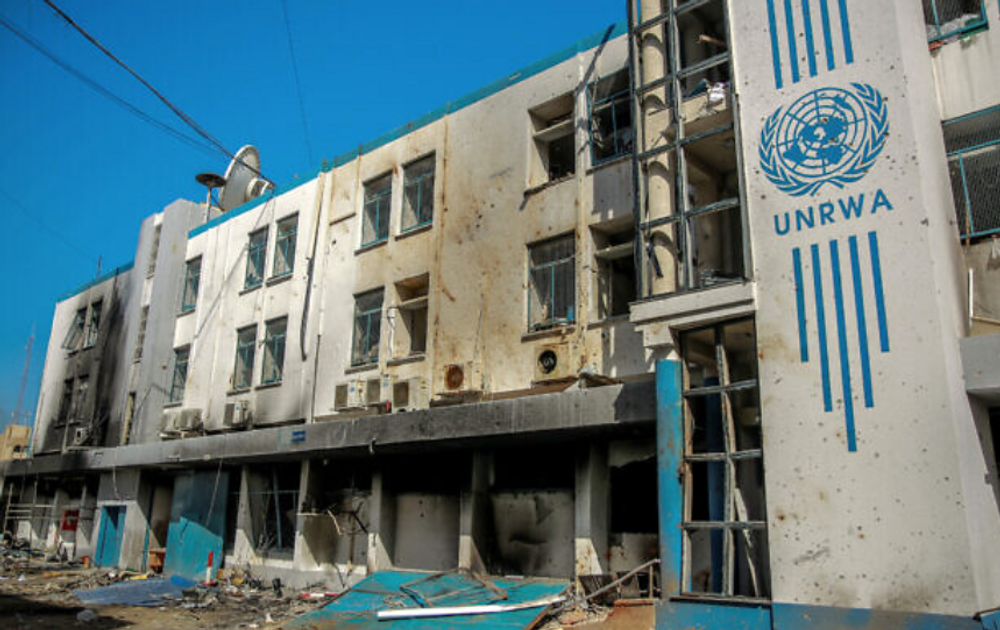
The recent demolition of the UNRWA headquarters in East Jerusalem has sparked widespread outrage and raised significant concerns about the ongoing Israel UNRWA conflict. As Israeli security forces move in with bulldozers to dismantle the UN Relief and Works Agency’s facilities, the implications for local Palestinian communities are profound. UNRWA officials have condemned these actions as blatant international law violations, calling them a deliberate affront to the privileges afforded to the United Nations. Philippe Lazzarini, the head of UNRWA, has expressed grave concerns over Israel’s blatant disregard for international standards, highlighting the worsening situation in this contested region. This development not only escalates tensions in Israeli-Palestinian relations but also casts a shadow over the future of humanitarian assistance in East Jerusalem.
The destruction of the UNRWA facilities marks a significant turning point in the ongoing crisis in East Jerusalem, as tensions continue to mount between Israeli authorities and UN humanitarian efforts. The operations against the UN Relief and Works Agency highlight the complexities of the Israeli-Palestinian dynamics, where local and international perspectives clash amid accusations of law enforcement overreach. Allegations surrounding UNRWA and its personnel, alongside the Israeli government’s justification for these demolitions under national sovereignty, reflect a deepening conflict that has implications for humanitarian aid in the region. The dismantling of such essential services raises questions about compliance with international law and the future of displaced Palestinian communities. Moreover, ongoing legislative actions against UNRWA add another layer of complexity to this already fraught situation, further straining the prospects for peace and cooperation.
The Demolition of UNRWA Headquarters: A Significant Turning Point
The recent decision by Israel to commence the demolition of the UNRWA headquarters in East Jerusalem marks a significant turning point in the ongoing Israel-UNRWA conflict. As heavy machinery moves in to undertake this demolition, the implications of such actions extend far beyond the physical destruction of buildings. Analysts argue that this move exacerbates the already tense dynamics of Israeli-Palestinian relations, positioning UNRWA as a focal point in broader debates about the treatment of Palestinian refugees and the future of international humanitarian assistance in the region.
Philippe Lazzarini, the head of UNRWA, has vocally condemned these actions, framing them as blatant violations of international law. He highlights that the destruction of UNRWA’s facilities not only jeopardizes the agency’s ability to assist millions of Palestinian refugees but also represents an alarming disregard for the established privileges and immunities granted to United Nations agencies. As the situation unfolds, such incidents will likely attract international scrutiny and may exacerbate tensions in East Jerusalem, an area already fraught with conflict.
International Law Violations and Humanitarian Rights
The demolition of the UNRWA headquarters raises critical questions about international law violations in the context of the Israeli-Palestinian conflict. UNRWA asserts that the actions taken by Israel contravene the principles of international law, particularly concerning the protection of humanitarian organizations and their operations. The agency’s spokesperson emphasized that humanitarian work should not be obstructed, especially in areas that are deemed occupied under international consensus. This persistent pattern of infractions might prompt interventions or criticisms from the international community.
Moreover, the legal implications of Israel’s actions are complex and contentious. While Israel claims to operate within the framework of local and international law, many observers view these demolitions as part of a broader strategy to marginalize Palestinian representation and rights. As tensions escalate in East Jerusalem, the potential for international legal action against Israeli authorities could increase, further complicating an already multifaceted situation.
UNRWA’s Role Amid Rising Tensions
UNRWA’s role has become increasingly pivotal amid the rising tensions and ongoing demolitions. The agency serves as a critical lifeline for millions of Palestinian refugees, offering essential services such as education, healthcare, and legal support. However, accusations from Israel regarding some UNRWA employees’ alleged participation in terrorist activities complicate the agency’s operations and reputation. Despite dismissing certain employees, UNRWA maintains that the claims lack concrete evidence, highlighting the challenges faced in navigating political accusations while attempting to deliver humanitarian aid.
The future of UNRWA hangs in the balance as these pressures mount. If dismantled or significantly restricted, the agency’s closure could have dire consequences for Palestinian refugees, many of whom depend on its services for their livelihoods and wellbeing. As discussions about the legitimacy and functionality of UNRWA continue, they also evoke broader concerns regarding the human rights of Palestinians and the sustainability of humanitarian programs in conflict zones. The agency’s fate is emblematic of the larger struggle over Palestinian identity and agency within the contested territories of East Jerusalem.
The Impact of Israeli Legislation on UNRWA’s Operations
Israeli legislation has significantly impacted UNRWA’s ability to operate within its territories, further complicating the humanitarian landscape in East Jerusalem. A recent law prohibiting UNRWA from functioning on Israeli-controlled land demonstrates a decisive approach taken by the Israeli government to undermine the agency’s role. This legal framework has raised alarms among human rights organizations, which argue that these measures obstruct vital services that Palestinian refugees rely on. The move is perceived not just as a legal maneuver but as part of a larger strategy to reshape the demographic and political stakes in the region.
Furthermore, the Israeli Land Authority’s claim of ownership over the UNRWA headquarters adds another layer of complexity to the situation. It reflects broader tensions regarding land and sovereignty, which are at the heart of the Israeli-Palestinian conflict. As UNRWA faces increasing challenges to its legitimacy and operational capacity, the ramifications for Palestinian refugees could be profound, leading to a potential humanitarian crisis if these services are disrupted. Observers highlight the need for international advocacy to protect these essential services, emphasizing that the humanitarian needs of refugees should transcend political disputes.
The Broader Context of East Jerusalem News
The demolition of the UNRWA headquarters occurs against the backdrop of rising tensions in East Jerusalem, a focal point of the Israeli-Palestinian conflict. In recent years, the area has seen an uptick in clashes between Israeli security forces and Palestinian residents, reflecting deep-seated grievances over territory, rights, and national identity. East Jerusalem is often viewed as occupied territory by most international entities, which complicates Israeli claims of sovereignty and raises concerns about the implications for peace in future negotiations.
Regular reports from East Jerusalem illustrate the challenging realities faced by Palestinian residents, grappling with restrictions and threats to their heritage and communal spaces. The ongoing conflict contributes to an atmosphere of uncertainty and anxiety, not only among Palestinians but also among regional and global stakeholders who seek a sustainable resolution. As we observe developments in East Jerusalem, it becomes increasingly evident that the situation demands urgent attention from the international community to uphold human rights and ensure compliance with international law.
The Role of International Community in Response to Israeli Actions
The recent actions taken by Israel against the UNRWA headquarters evoke critical responses from the international community. Various nations and global organizations have expressed concerns about the perceived violation of international law and the potential humanitarian repercussions of such demolitions. Calls for accountability emphasize that the rights of Palestinian refugees must be upheld and that any aggressive actions against humanitarian organizations are unacceptable. The growing chorus of dissent from international actors may compel Israel to reconsider its approach, particularly in light of potential legal repercussions.
Moreover, the evolving landscape of international relations, characterized by alliances and diplomatic engagements, further affects how the situation in East Jerusalem is perceived and addressed. Advocacy groups and foreign governments are increasingly questioning the effectiveness of current policies and calling for a reassessment of strategies that prioritize human rights and humanitarian needs over political expediency. As the international community navigates this complex environment, the outcomes of such considerations could significantly influence the future of Israeli-Palestinian relations and the stability of the region.
Potential Consequences for Palestinian Refugees
The demolition of the UNRWA headquarters poses significant consequences for Palestinian refugees who rely on the agency for vital services. With Israel moving aggressively to dismantle UNRWA’s presence, millions could face increased hardship, lacking access to essential programs such as education, healthcare, and social services. This precarious situation not only amplifies existing vulnerabilities but also fosters a greater sense of insecurity among Palestinian communities, which may lead to further unrest as individuals grapple with their uncertain futures.
In the long term, these actions may exacerbate grievances among Palestinian populations and hinder prospects for peace in the region. Without reliable support systems in place, refugees may find themselves isolated and at greater risk of violence and discrimination. The international community must prioritize discussions about sustainable solutions that recognize the rights of Palestinian refugees and address their basic needs while encouraging dialogue toward resolving the larger conflict. Failure to do so could lead to further destabilization in East Jerusalem and beyond.
Public Reactions and Protests Against Demolitions
The demolition of UNRWA’s headquarters has spurred public outcry and protests from Palestinian communities and international observers alike. Demonstrators often take to the streets, denouncing what they view as an unjust attack on humanitarian efforts and the rights of Palestinian refugees. These protests are not merely local sensations; they draw attention to the broader implications of demolitions and the ongoing struggle against perceived injustices within the Israeli-Palestinian conflict.
In light of the tensions in East Jerusalem, public reactions reflect a broader discontent with Israeli policies that are seen to limit Palestinian rights and undermine humanitarian support frameworks. Activists call for greater solidarity and awareness from the international community, urging advocates across the globe to join in opposition to these demolitions. This rising activism underscores the potency of grassroots movements in bringing international attention to critical issues and the need for collective action in the face of escalating hostilities.
Examining the Future of UNRWA and the Israeli-Palestinian Conflict
The future of UNRWA is inextricably linked to the dynamics of the Israeli-Palestinian conflict. As Israeli actions threaten the agency’s operational capability, questions arise about the sustainability of refugee support within such a contentious environment. Prospects for peace seem increasingly distant amid growing animosity and legislative challenges that undermine UNRWA’s very existence. Continued efforts to delegitimize the agency may lead to further marginalization of Palestinian voices and deepen humanitarian crises.
Moving forward, stakeholders in the Israeli-Palestinian dialogue must prioritize a reevaluation of current strategies that recognize the necessity of humanitarian organizations like UNRWA. A harmonious approach that seeks to alleviate the suffering of Palestinian refugees while ensuring their rights are enshrined remains essential to fostering lasting peace disputes. Should these conditions be ignored, the cycle of violence and oppression is likely to continue, drawing in further displacement and suffering for countless individuals caught in the conflict.
Frequently Asked Questions
What is the significance of the UNRWA headquarters demolition in East Jerusalem?
The demolition of the UNRWA headquarters in East Jerusalem represents a significant escalation in the Israel UNRWA conflict, highlighting ongoing tensions in Israeli-Palestinian relations. UNRWA, tasked with assisting Palestinian refugees, views this action as a violation of international law, raising concerns about the humanitarian impact on those who rely on the agency.
How has UNRWA responded to the demolition of its headquarters in East Jerusalem?
UNRWA has condemned the demolition of its headquarters as a blatant violation of international law. Philippe Lazzarini, the head of UNRWA, emphasized that Israel’s actions reflect a deliberate disregard for the privileges and immunities afforded to the United Nations, raising alarm about the ongoing humanitarian situation in the region.
What legal grounds does Israel claim for the demolition of the UNRWA headquarters?
Israel claims that the demolition of the UNRWA headquarters is justified under both Israeli and international law, arguing ownership over the land. This stance reflects broader tensions in East Jerusalem, which Israel considers part of its territory, while much of the international community views it as occupied.
What are the implications of the Israeli parliament’s law prohibiting UNRWA operations?
The Israeli parliament’s law, which prohibits UNRWA from operating on Israeli territory, directly impacts the agency’s ability to assist Palestinian refugees. This legal action contributes to the existing conflict between Israel and UNRWA, making it challenging for the agency to maintain its operations and deliver essential services.
How does the situation regarding the UNRWA headquarters relate to international law violations?
The demolition of the UNRWA headquarters raises critical questions about international law violations. UNRWA and various global observers argue that such actions contravene agreements that protect United Nations facilities, further complicating the already fragile Israeli-Palestinian relations and the humanitarian situation in the region.
What evidence has Israel provided regarding accusations against UNRWA employees?
Israel has accused some UNRWA employees of involvement in terrorist activities; however, UNRWA has frequently stated that Israel has not substantiated these claims with sufficient evidence. This lack of transparency continues to fuel tensions and complicates UNRWA’s efforts to operate effectively in a volatile environment.
What are the broader implications of the UNRWA headquarters demolition for Palestinian refugees?
The demolition of the UNRWA headquarters could signal a complete shutdown of services crucial for Palestinian refugees in East Jerusalem. With essential resources, such as power and water, being cut off, this action may exacerbate the already dire humanitarian conditions faced by refugees and undermine political stability in the region.
| Key Point | Details |
|---|---|
| Demolition Initiated | Israel has begun demolishing the UNRWA headquarters in East Jerusalem with heavy equipment. |
| International Law Violation | UNRWA claims that the demolition action violates international laws and speaks against the privileges of the United Nations. |
| Condemnation by UNRWA | Philippe Lazzarini, UNRWA head, condemned the demolitions as a deliberate disregard for international law. |
| Previous Incidents | Israeli police previously entered the site, showcasing control over the area and raising an Israeli flag. |
| Service Termination | UNRWA faces a complete shutdown as Israel plans to cut off power and water supplies. |
| Allegations Against UNRWA | Israel accuses UNRWA employees of terrorism, but the organization claims insufficient evidence has been provided. |
| Legal Actions | Israeli parliament has passed laws to restrict UNRWA’s operations within Israeli territory. |
| Land Ownership Dispute | Israel claims ownership of the land based on laws, despite UNRWA’s international mandate. |
| Broader Implications | The situation highlights the ongoing conflict in East Jerusalem, seen as occupied by most countries. |
| Political Statements | Prime Minister Netanyahu emphasizes dismantling UNRWA, accusing it of perpetuating refugee issues. |
Summary
The UNRWA headquarters demolition has significant implications, marking a critical point in ongoing tensions in East Jerusalem. The actions taken by Israel have raised concerns about adherence to international law and the rights of international organizations. This incident reflects broader political struggles in the region and underscores the controversial narrative surrounding the Israeli-Palestinian conflict.

