
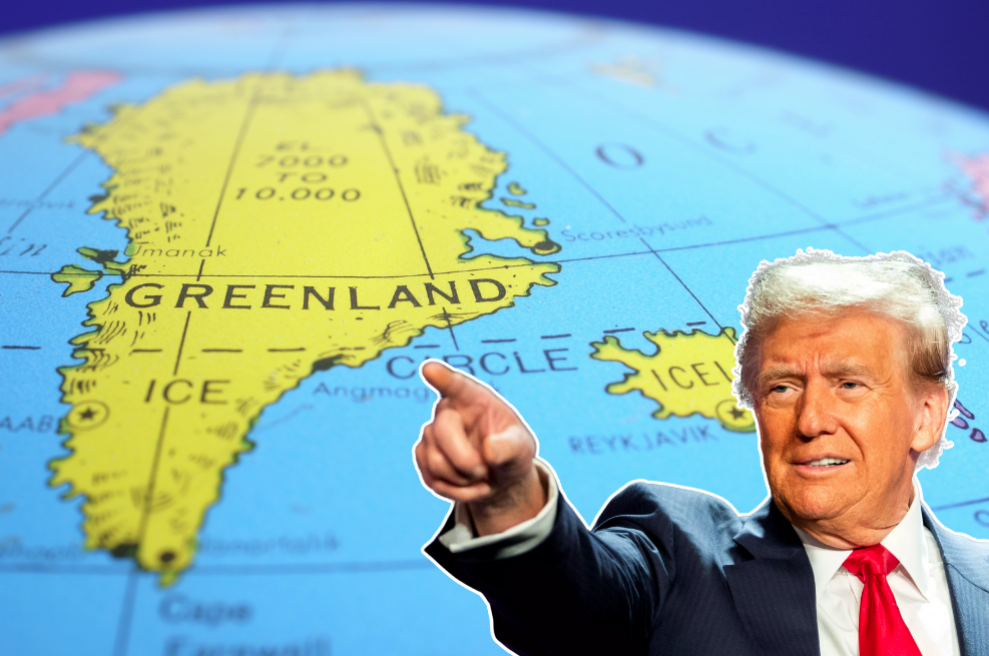
The Greenland dispute has cast a significant shadow over EU-US trade relations, igniting concerns about economic coercion and tariff warfare. As President Trump’s controversial “Greenland tariffs” threaten to reshape alliances, the EU is on high alert, preparing a strong response. The uncertainty surrounding these tariffs raises crucial questions about the future of transatlantic cooperation and economic stability. With potential counter-tariffs exceeding 93 billion euros on the table, the stakes have never been higher for both sides. Navigating this tumultuous landscape requires diplomatic finesse and a united front among European nations to protect their interests against Trump’s aggressive trade measures.
The recent tensions over the Greenland issue highlight a broader conflict in transatlantic trade discussions. This situation has emerged as the EU grapples with the repercussions of tariffs imposed by the US, leading to a re-evaluation of their economic partnership. As the EU considers a robust strategy to counteract perceived economic coercion, the idea of imposing counter-tariffs is gaining traction. Ultimately, the future of EU-US relations hinges on the ability to address these challenges effectively, ensuring that both economic interests and diplomatic ties are preserved amidst rising tensions.
Understanding the Greenland Dispute and Its Global Implications
The Greenland dispute has made headlines recently as the EU reevaluates its trade relationship with the United States. This conflict stems from President Trump’s unilateral announcement of tariffs aimed at Greenland, which the EU perceives as a significant threat to transatlantic relations. As the world’s largest trading bloc, the EU’s response could shape the dynamics of international trade and diplomacy for years to come. The stakes are high, not only for economic stability but also for global alliances as other countries watch closely to see how the EU navigates this complex situation.
In the wake of these tariffs, the prospect of retaliatory measures such as counter-tariffs has emerged as a likely strategy for the EU. With a potential package surpassing 93 billion euros, the response may encompass various sectors, including industries critical to both the EU and US economies. This dispute serves as a litmus test for the EU’s ability to maintain unity among member states while countering what many perceive as economic coercion from the US.
The EU’s Strategic Response to Trump’s Greenland Tariffs
In light of Trump’s Greenland tariffs, EU leaders are preparing for a crucial summit aimed at outlining a coherent strategy to address the situation. The emphasis on unity among member states reflects a collective determination to demonstrate that tariffs are incompatible with existing EU-US trade agreements. Recent statements from EU Council President António Costa underline the sentiment that these tariffs are not just economic measures; they threaten the foundational principles of cooperation established between the EU and the US.
Moreover, the readiness of EU states to implement counter-tariffs indicates a serious commitment to safeguarding their economic interests. As EU Parliament officials have suggested, these proposed measures could suspend previously agreed agreements until a satisfactory resolution is reached. This raises questions about the long-term implications for EU-US trade relations, potentially leading to a new era characterized by ongoing friction and a need for strategic negotiations.
Impact of Economic Coercion on International Relations
Economic coercion, as exemplified by the Greenland tariffs, signals a troubling trend in international relations, where financial measures are wielded as tools of political leverage. For the EU, this situation poses challenges not just to trade, but to the broader principles of diplomacy that have underpinned many alliances. The EU must navigate these complexities while upholding its values of collective action and resistance to unilateralism. This situation may prompt significant discussions on enhancing the EU’s capacity to respond to similar challenges in the future.
As EU leaders deliberate on responses to Trump’s policies, it becomes increasingly clear that the repercussions of economic coercion extend beyond immediate tariffs. They can reshape alliances, influence global trade agreements, and affect how countries interact in the international arena. If the EU effectively counters the Greenland tariffs, it could establish a framework for confronting similar challenges, emphasizing the importance of multilateral cooperation over isolated economic strategies.
Potential Counter-Tariffs: What to Expect
The possibility of counter-tariffs represents a significant pivot in the EU’s approach to trade negotiations with the US. With tariff lists being considered that target various products, including whisky and aircraft parts, the EU is poised to exert pressure that underscores the importance of partnership over confrontation. These counter-tariffs would not only retaliate against the Greenland tariffs but also serve to unify member states in a common cause against perceived economic aggression.
However, the implementation of counter-tariffs also raises questions about the potential economic fallout for both the EU and US economies. The balance of trade might shift in unpredictable ways, leading to a tit-for-tat escalation that could harm both sides. As viewed by economists, a measured response is critical; while the EU must protect its interests, it must also aim to restore trust and cooperation in the long run, promoting a return to negotiations that benefit both parties.
Negotiations at Davos: A Tricky Diplomatic Landscape
The upcoming meeting between President Trump and NATO Secretary General Mark Rutte at the World Economic Forum in Davos adds another layer of complexity to the Greenland dispute. Rutte’s role as a mediator indicates a desire to keep lines of communication open, even amid rising tensions. This approach highlights the importance of diplomatic dialogue in resolving trade disputes effectively, allowing for the possibility of a peaceful resolution rather than an escalation into further tariffs.
While some leaders express hope for constructive negotiations, there remains substantial skepticism among European politicians. Given the recent history of US trade policies, many EU leaders are wary of Trump’s overall approach to international trade. The Davos meetings will likely serve as a critical juncture; success in these discussions could either mitigate tensions or exacerbate the rift deeper, potentially impacting the future of EU-US relations significantly.
Macron’s Anti-Coercion Instrument: A Bold European Strategy
In response to the Greenland tariffs and their implications, French President Emmanuel Macron has proposed activating the Anti-Coercion Instrument (ACI), colloquially known as the ‘trade bazooka’. This strategy provides the EU with substantial leverage to counteract economic measures imposed by external pressures. The introduction of this tool indicates a shift toward a more assertive trade policy, emphasizing the EU’s commitment to protecting member states against economic coercion.
The application of the ACI signifies that the EU is serious about confronting any attempts to manipulate or undermine their sovereignty through tariffs. It also demonstrates a recognition of the need for comprehensive strategic responses in the face of aggressive economic policies from countries like the US. If effectively implemented, the ACI could deter further coercive measures, stabilizing trade relations and reaffirming the EU’s role as a significant player in global trade.
The Role of the EU Parliament in Trade Policy Decisions
The EU Parliament plays a crucial role in shaping trade policies and responses to external pressures, including the tariffs aimed at Greenland. Trade experts within the Parliament, like Bernd Lange, have been vocal about the need to reevaluate agreements and potentially halt tariff negotiations in light of the current climate. Their insights are invaluable in driving the EU’s collective response, ensuring that trade decisions align with the overarching goals of unity and resilience among member states.
Moreover, the involvement of the EU Parliament in these discussions highlights the democratic nature of trade policy formation within the bloc. By allowing elected officials to voice concerns and propose alternative approaches, the EU reinforces its commitment to transparency and member state collaboration. This could foster a robust framework for navigating complex trade issues, especially as global dynamics shift in response to unilateral actions by powerful nations.
International Responses to Trump’s Trade Policies
The international community has been closely monitoring the ramifications of Trump’s trade policies, recognizing that they have far-reaching consequences beyond the immediate EU-US relationship. Many countries are concerned about the precedent being set whereby tariffs can be employed as means of coercion, prompting them to explore their own responses to similar threats. This situation compels nations to reconsider their trade strategies and align themselves with blocs that prioritize diplomatic engagements over unilateral economic maneuvers.
As the global landscape evolves, countries may increasingly rally to support the EU’s stance against economic coercion. This unity is crucial not only for economic resilience but also for developing a shared framework that fosters collaboration among nations facing similar dilemmas. By establishing coalitions against coercive trade practices, the EU can reinforce its position on the world stage, promoting fair and equitable trade relations that counteract the negative implications of aggressive tariff policies.
The Future of EU-US Trade Relations Amidst Tension
The future of EU-US trade relations remains uncertain as both parties navigate the implications of the Greenland dispute and President Trump’s tariffs. The complexities of these negotiations are magnified by existing economic interdependencies and the sheer scale of trade between the two regions. EU leaders must carefully balance assertiveness with diplomacy, aiming to restore trust while simultaneously protecting their economic interests against external pressures.
Looking ahead, it is imperative for the EU to develop a comprehensive strategy that addresses not only the ongoing tensions surrounding the Greenland tariffs but also anticipates future challenges posed by similar unilateral trade actions. This proactive approach will enable the EU to emerge from the current crisis stronger and more cohesive, potentially setting a new standard for international trade relations marked by cooperation rather than coercion.
Frequently Asked Questions
What are the implications of the Greenland dispute on EU-US trade relations?
The Greenland dispute has significant implications for EU-US trade relations, primarily due to President Trump’s announcement of ‘Greenland tariffs.’ These tariffs threaten to undermine the existing EU-US trade agreement and could lead to a cycle of economic coercion, prompting the EU to consider counter-tariffs totaling over 93 billion euros. This situation highlights the fragility of transatlantic relations and the need for negotiations to resolve conflicts amicably.
How is the EU responding to Trump’s Greenland tariffs?
The EU is formulating a strong response to Trump’s Greenland tariffs, including potential counter-tariffs on various goods such as whisky and aircraft parts. EU leaders are meeting to discuss their strategy, aiming to demonstrate unity among member states in the face of economic coercion. This collective approach will be crucial in maintaining robust EU-US trade relations while addressing the challenges posed by the tariffs.
What are the potential counter-tariffs from the EU regarding the Greenland dispute?
In response to the Greenland dispute, the EU has proposed counter-tariffs potentially exceeding 93 billion euros. These could include tariffs on items like whisky, chicken, and aircraft parts. This package is intended to showcase EU solidarity against economic coercion from the US and is being considered at an upcoming EU summit to strengthen their trade stance.
Why does the EU see Trump’s Greenland tariffs as economic coercion?
The EU views Trump’s Greenland tariffs as a form of economic coercion that disrupts established trade agreements and undermines transatlantic partnerships. Such tariffs are seen as a tactic to pressure the EU into compliance with U.S. policies, violating the principles of respectful and cooperative trade relations. This has prompted the EU to consider invoking the Anti-Coercion Instrument (ACI) to protect its economic interests.
What role does the Anti-Coercion Instrument (ACI) play in the Greenland dispute?
The Anti-Coercion Instrument (ACI) serves as a crucial tool for the EU in responding to the Greenland dispute. It’s designed to deter economic coercion by allowing the EU to react flexibly to trade measures that a third country uses to influence EU decisions. Activation of the ACI could provide the EU with a stronger leverage point against Trump’s Greenland tariffs, illustrating its commitment to protecting member states against economic pressure.
What are the key concerns of EU leaders regarding the Greenland dispute and US trade relations?
EU leaders have expressed deep concerns regarding the Greenland dispute and its impact on US trade relations. They fear that Trump’s tariffs disrupt the foundation of cooperation and trust that has characterized transatlantic relations. Furthermore, the prospect of becoming a ‘vassal’ to US demands poses significant strategic and security challenges for Europe, leading to calls for a robust counter-strategy to preserve EU autonomy in international trade.
How does the Greenland dispute affect NATO relationships, particularly with Denmark?
The Greenland dispute has nuanced effects on NATO relationships, particularly due to Denmark’s involvement. As a NATO partner with both the US and Greenland, Denmark plays a pivotal role in mediating discussions between the EU and the US. The dispute has brought to light the complexities of geopolitical alliances, emphasizing the need for cooperative approaches to security and economic issues in the Arctic region.
What diplomatic actions are being taken by EU leaders in light of the Greenland dispute?
In response to the Greenland dispute, European leaders are engaging in diplomatic discussions and meetings, including a planned summit to outline a cohesive strategy against US tariffs. High-profile meetings, such as the upcoming talk between President Trump and NATO Secretary General Mark Rutte, also demonstrate ongoing diplomatic efforts to address the tensions arising from the tariffs and maintain stability in EU-US relations.
| Aspect | Details |
|---|---|
| EU Response to US Tariffs | The EU is considering countermeasures against Trump’s tariffs related to the Greenland dispute. |
| Potential Counter-Tariffs | Proposed tariffs may exceed 93 billion euros, covering products like whisky, aircraft parts, and chicken. |
| EU Unity | Member states aim to show unity against US tariffs, viewing them as detrimental to EU-US relations. |
| Political Statements | EU leaders emphasize that they will not accept political coercion and may suspend existing tariff agreements. |
| Meeting with Trump | US President Trump is set to meet NATO Secretary General Mark Rutte to discuss the Greenland dispute. |
| French Response | President Macron supports activating the Anti-Coercion Instrument to deter economic coercion. |
Summary
The Greenland dispute has sparked a significant response from the EU, as it seeks to counteract US tariffs that threaten transatlantic relations. With potential counter-tariffs being considered and high-level discussions planned, the EU aims to maintain unity among its member states. The situation reflects broader concerns about political coercion and the future of international alliances, emphasizing the need for the EU to strategize effectively in response to unilateral actions by the US.

