
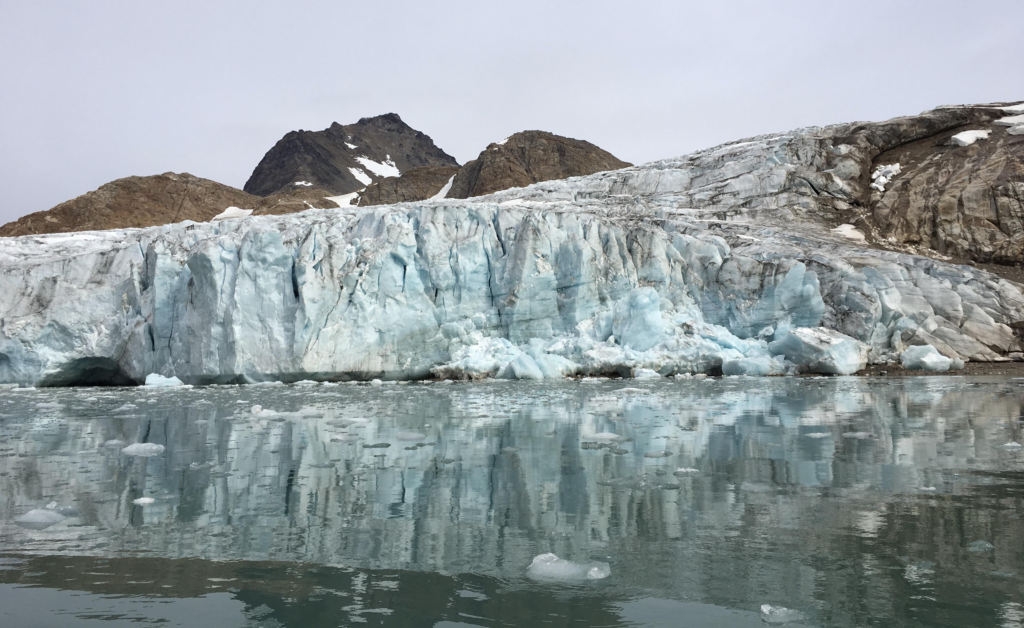
The recent Greenland mission has garnered significant attention as the German Armed Forces report a favorable outcome from their deployment in the region. Amid rising tensions over US tariffs, Vice Chancellor Klingbeil has declared that Germany will not succumb to coercion, emphasizing the need for a strong European response to protect international relations. The mission not only solidified ties between Germany and its Danish and Greenlandic partners but also highlighted the importance of cooperative efforts in resolving the ongoing Greenland conflict. As consequences of US policy ripple through Europe, the mission serves as a reminder of the strategic value of Greenland in geopolitical discussions. With the balance of power in the Arctic at stake, the success of the Greenland mission marks a pivotal moment in addressing the complexities of international relations and trade dynamics.
The operation in Greenland, carried out by German military forces, has been hailed as a significant achievement in fostering regional cooperation. In an era marked by conflicts and aggressive tariff regulations, especially from the US, the mission underscores the importance of maintaining diplomatic avenues in difficult circumstances. By promoting collaboration with both Greenlandic and Danish authorities, the German forces have set an example of how military missions can contribute to peacekeeping and stability in contested regions. This endeavor not only addresses the immediate concerns linked to the Greenland conflict but also reflects broader implications for European responses to US economic policies. As nations navigate the intricate web of international relations, the insights gained from this operation may help shape future dialogues in the Arctic and beyond.
Positive Reflections on the Greenland Mission of the German Armed Forces
The German Armed Forces have returned from their mission in Greenland with positive reflections on their experiences and outcomes. Flotilla Admiral Stefan Pauly stated that their team was warmly welcomed by both Danish and Greenlandic partners, emphasizing the importance of international collaboration in such strategic missions. This mission not only highlights Germany’s commitment to maintaining peace and stability in the Arctic region but also reflects the strengthening of international relations within those territories.
Evaluating the information gathered during their assignment, the German Armed Forces aim to utilize their findings to bolster future operations and strategies. The operation underscores how international partnerships are crucial in addressing potential conflicts, including the Greenland conflict that has garnered much attention due to recent US tariffs. As nations navigate these complex relationships, the German Armed Forces’ mission stands as a testament to proactive diplomacy and a clear response to emerging geopolitical tensions.
The European Response to US Tariffs
In light of the punitive tariffs imposed by the US, European leaders are voicing their concerns and seeking a united stance. German Foreign Minister Johann Wadephul emphatically stated that Europe must respond definitively to these tariffs, which threaten to disrupt the sensitive balance of international trade relationships. There is a growing call among European officials for collaborative action that could mitigate the impacts of these US tariffs and reaffirm Europe’s commitment to fair trade.
Italy, seeing the escalating tensions, has offered to mediate in the Greenland conflict, a potential flashpoint exacerbated by the tariff situation. Foreign Minister Antonio Tajani’s proposal to facilitate dialogue signifies a crucial maneuver in international relations, aiming to avoid further escalation. This European response demonstrates both resilience and the strategic intent to safeguard their interests in light of US policies, including those surrounding Greenland and its geopolitical significance.
Germany’s Approach to US Tariff Threats
The reactions from Germany regarding the US tariff threats have been robust, with Vice Chancellor Klingbeil asserting the necessity of not succumbing to US pressure. This sentiment reflects a broader European frustration with the unilateral measures being taken by the US, as numerous officials advocate for coordinated responses rather than isolated reactions. The German Cabinet’s discussions on this matter underline their strategic prioritization of international relations and trade stability.
Klingbeil’s comments about not allowing themselves to be blackmailed resonate strongly within the context of transatlantic relations. The German government recognizes the importance of fortifying alliances within Europe to face challenges from the US effectively. Amidst this backdrop, the German Armed Forces’ mission in Greenland serves a dual purpose: reinforcing their military presence and bolstering diplomatic ties with partners, which is increasingly vital in managing external pressures.
Italy’s Role in Mediating the Greenland Conflict
Italy’s offer to mediate in the Greenland conflict is a crucial step toward fostering dialogue and reducing tensions in the Arctic region. Foreign Minister Antonio Tajani’s emphasis on Italy’s capabilities suggests a strategic ambition to position Italy as a peace broker among conflicting interests. The historical context of international disputes in Greenland underscores the necessity for proactive diplomatic measures that can de-escalate potential conflicts influenced by US tariffs.
As Italy moves forward with its mediation efforts, the European response will likely hinge on collaborative frameworks that engage all stakeholders involved. By presenting itself as a neutral party, Italy can leverage its relationships with both the US and European nations to propose viable solutions that respect Greenland’s autonomy while addressing geopolitical concerns. This approach is particularly significant as it emphasizes collective security and cooperation amid shifting international relations.
NATO’s Position on the Greenland Situation
NATO Secretary General Mark Rutte’s discussions with US President Trump regarding Greenland point to the alliance’s role in navigating complex international issues. The potential US acquisition of Greenland raises significant questions about NATO’s defensive strategies in the Arctic and how member states can collectively address perceived threats. Rutte’s conversations indicate a commitment to ensuring security while also advocating for cooperative dialogue amongst member nations.
NATO’s involvement in Greenland discussions is crucial as it helps align the various national interests of its member states with the larger objectives of the alliance. The link between defense initiatives and economic policies, such as tariffs, creates a challenging landscape for international relations. As NATO seeks to maintain its integrity in the face of US tariff threats, aligning military strategies with diplomatic sensibilities becomes imperative in addressing any arising conflicts.
The Impact of US Tariffs on European Economies
The imposition of US tariffs has significant implications for European economies, creating ripples throughout the trade landscape. Countries like Germany and Ireland are bracing for potential retaliatory measures that could disrupt established trade partnerships and inflame economic tensions. The tariff issues underscore the fragility of international relations as nations confront unilateral decisions from the US government that threaten their economic stability.
Economic forecasts suggest that the ongoing conflict over tariffs may lead to a reconsideration of trade agreements between the US and its European allies. The uncertainty surrounding these tariffs prompts European nations to strategize and potentially adjust their trade policies to mitigate adverse effects. As countries band together in response, the evolution of international trade dynamics will be pivotal in shaping their future relationships.
German Victory or US Ultimatum?
As Germany reflects on the positive outcomes from its mission in Greenland, the backdrop of US tariffs casts a shadow over international relations. The juxtaposition of commendable military success against the uncertainty of economic policies raises critical questions about the future of diplomatic negotiations. While Germany celebrates its achievements, the unnerving prospect of US ultimatum tactics threatens the stability they’ve worked hard to maintain.
Ultimately, the environment surrounding the German Armed Forces’ mission in Greenland showcases the interconnectedness of military and economic strategies. As nations react to punitive tariffs, it’s essential to evaluate the efficacy of military accomplishments against the backdrop of ongoing threats to international stability. Germany’s approach moving forward may rely heavily on asserting its stance against intimidation tactics while honoring its strategic alliances.
Europe’s Collective Defense Strategy Amidst Trade Tensions
The current trade tensions propelled by US tariffs force European nations to consider a unified defense and economic strategy. The German Armed Forces’ mission in Greenland highlights the necessity for coordinated responses to perceived threats, while also fostering trust among allied nations. European leadership is recognizing that economic security and military preparedness must go hand in hand to safeguard against unilateral actions from the US.
The discussions among European nations signal an important shift towards a more cohesive approach to international relations. Rather than addressing these challenges in isolation, countries are banding together to create frameworks that enhance defense readiness while establishing clear stances on trade disputes. This collective strategy not only strengthens internal ties but also positions Europe to engage more effectively with global powers.
Dialogue As A Tool for Conflict Resolution in Greenland
Following Italy’s proposal to mediate in the Greenland conflict, the focus turns to dialogue as a crucial tool in resolving disputes. Engaging in conversation with all stakeholders, including the US and Denmark, reflects a commitment to peaceful negotiation rather than escalation. The importance of diplomatic dialogue is further emphasized as nations strive to navigate complex relationships and avoid unnecessary conflict.
Encouraging open communication and fostering a dialogue-driven approach may lead to innovative solutions that satisfy various interests within the Greenland context. This is particularly critical as heavy-handed tactics like tariffs threaten to obstruct meaningful negotiations. By advocating for discussions, Italy and other European nations highlight a preference for collaboration, ultimately paving the way for a more stable geopolitical environment.
Frequently Asked Questions
What is the significance of the German Armed Forces’ mission in Greenland?
The German Armed Forces’ mission in Greenland has been deemed successful, highlighting international collaboration in response to geopolitical challenges. This mission not only improves diplomatic relations with Denmark and Greenland but also enhances Germany’s role in addressing issues related to the Greenland conflict.
How have US tariffs impacted the Greenland mission and European response?
The US tariffs announced by President Trump have intensified discussions among European nations regarding their collective response. The German Armed Forces’ mission in Greenland is part of a broader strategy to maintain stability in the region and strengthen European unity against unilateral US trade actions.
What role does Denmark play in the Greenland mission and the surrounding international relations?
Denmark is pivotal in the Greenland mission as the administrative power over Greenland. The collaboration between the German Armed Forces and Danish authorities signifies a commitment to enhance security and address potential threats arising from international relations and the Greenland conflict.
Why is Italy offering to mediate in the Greenland conflict?
Italy’s offer to mediate in the Greenland conflict stems from its diplomatic capabilities and desire to foster dialogue among European nations. Italian Foreign Minister Antonio Tajani believes that mediation can lead to a peaceful resolution, minimizing tensions created by US tariffs and strengthening Europe’s collective stance.
What are the potential consequences of the Greenland mission on EU-US relations?
The positive outcomes of the Greenland mission may reinforce European solidarity amid rising tensions due to US tariffs. As European nations respond collectively to challenges posed by the US approach, the mission emphasizes Germany’s commitment to fostering stability in international relations and mitigating the impact of the Greenland conflict.
How has the German government officially responded to US punitive tariffs related to Greenland?
The German government, led by Chancellor Friedrich Merz, has expressed strong discontent with US punitive tariffs announced by President Trump. Discussions within the German Cabinet reflect a unified European response, asserting the need to oppose US strategies that threaten economic stability and provoke conflicts in Greenland.
What actions are European leaders taking in light of the Greenland mission and US tariffs?
European leaders are actively engaging in discussions to formulate a cohesive strategy against US tariffs. Initiatives like Denmark’s coordination efforts and Macron’s proposal for activating an EU emergency instrument demonstrate a proactive approach in safeguarding European interests while supporting the German Armed Forces’ Greenland mission.
| Key Point | Details |
|---|---|
| Positive Outcome of Greenland Mission | The German Armed Forces reported favorably about their mission, reflecting on good cooperation with Danish and Greenlandic partners. |
| Response to US Tariffs | German officials, including Vice Chancellor Klingbeil, stress the need to respond decisively to US tariff threats to maintain national integrity. |
| US Justification for Greenland Acquisition | The US argues that incorporating Greenland is necessary to prevent conflicts in the Arctic, emphasizing their strength in the international arena. |
| Italy’s Mediation Offer | Italy has proposed to mediate in the Greenland conflict, leveraging its diplomatic relations to foster agreements. |
| Discussion on Digital Tax | Franziska Brantner of the Green Party suggested introducing a digital tax and a firmer stance toward US aggression. |
| NATO Discussions | NATO Secretary General Mark Rutte reported discussions with Trump regarding Greenland’s status. |
| European Response to US Threats | European leaders, including Denmark’s Frederiksen, have criticized US tariff threats and indicated a united front against them. |
Summary
The Greenland mission highlights the importance of international cooperation and strategic defense in the Arctic region. The success reported by the German Armed Forces reflects not only a positive military outcome but also a deeper geopolitical engagement amidst rising tensions over US tariffs. As nations navigate these complex issues, the Greenland mission underscores the necessity for unity and proactive diplomacy in addressing global challenges.

